.png)
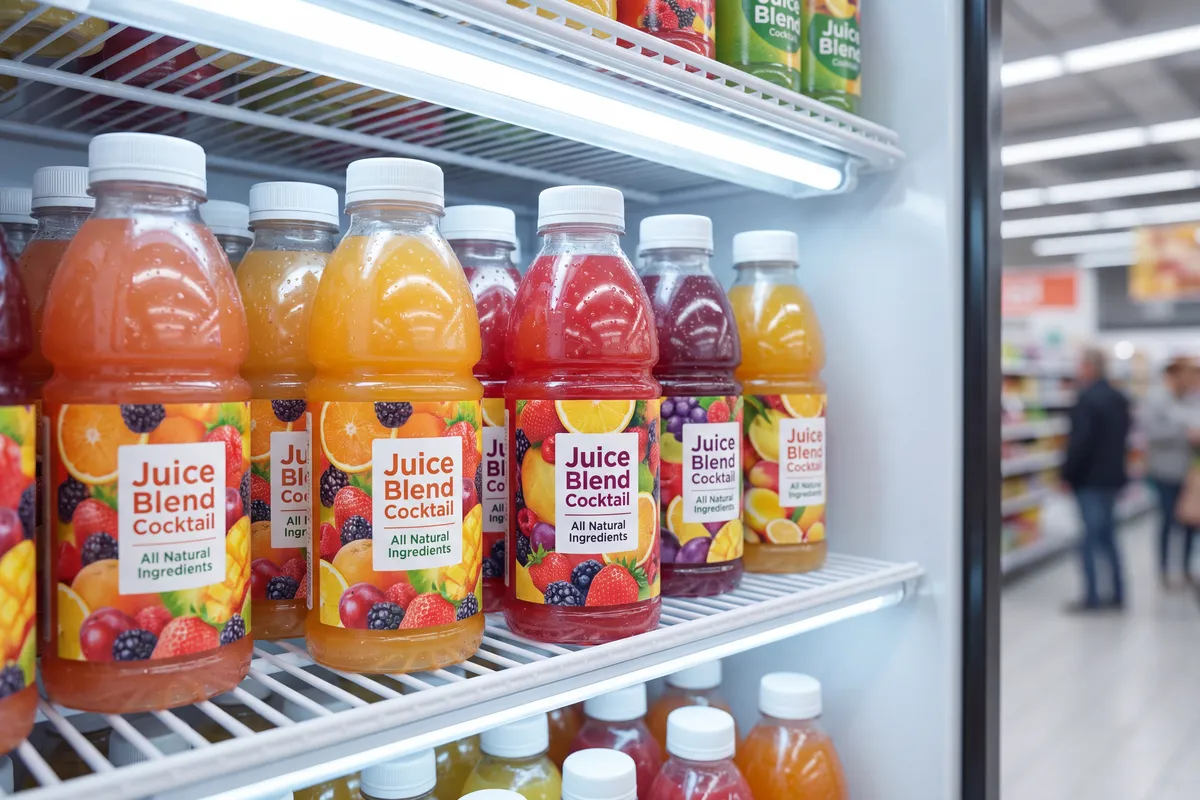

Californian Annette Alarcon filed a class action lawsuit against Keurig Dr Pepper Inc. on Aug. 6, 2026, in the U.S. District Court for the Central District of California. The lawsuit alleges Nantucket Nectars juice drinks claim they contain “all natural ingredients” despite including manufactured citric acid, an ingredient the suit says is synthetic.
Alarcon's alleged purchases
Alarcon says she bought the orange mango and pomegranate pear Nantucket Nectars flavors several times over the past three years at Walmart stores in Lancaster, California. She claims the front-label statement led her to believe the drinks contained no synthetic or industrially manufactured ingredients.
Had the labels disclosed what the lawsuit describes as the citric acid's synthetic character, Alarcon says she would not have bought the drinks or would have paid less.
The complaint names10 Nantucket Nectars flavors: big cranberry, orange mango, peach orange, pineapple orange banana, pineapple orange guava, pomegranate pear, red plum, watermelon strawberry apple, lemonade and pomegranate. Each flavor allegedly carries the same natural-ingredients claim and lists citric acid as an ingredient.
Why the lawsuit calls citric acid synthetic
Citric acid occurs naturally in citrus fruit, but the complaint claims nearly all commercial citric acid now comes from an industrial manufacturing process.
Manufacturers commonly ferment a corn-based sugar source with aspergillus niger, a type of black mold, then recover and refine the resulting citric acid with chemical processes, the suit alleges. Keurig Dr Pepper is unable to use fruit-extracted citric acid at the scale its production requires because that form is no longer commercially available, according to the proposed class action.
The lawsuit cites U.S. Department of Agriculture organic-program materials that classify citric acid made through a lime and sulfuric acid purification method as synthetic. It also cites federal rules for a separate solvent-extraction process and two Food and Drug Administration warning letters from 2001 involving natural-label claims on foods containing citric acid.
The legal claims
The complaint brings seven counts against KDP, including three separate claims under California's Unfair Competition Law:
- Breach of express warranty, alleging the “all natural ingredients” statement promised something the drinks did not deliver
- Unlawful, unfair and fraudulent business practices, three claims challenging KDP's labeling under California's Unfair Competition Law
- False advertising, claiming the label could mislead reasonable shoppers
- California Consumers Legal Remedies Act violations, alleging KDP misrepresented the drinks' characteristics and ingredients
- Unjust enrichment, seeking the return of money KDP allegedly gained through the challenged labeling
Alarcon asks the court to certify the case as a class action and award damages, restitution, punitive damages and attorney fees. She also seeks an order stopping the challenged labeling and requiring corrective advertising.
What the lawsuit means for Nantucket Nectars buyers
The proposed class covers people who bought the 10 listed Nantucket Nectars drinks in California during the applicable three-year or four-year period.
The court has not certified the class. At the time of this writing, there is no settlement, claims process or payout available.






.webp)
.webp)
.webp)

.webp)
.webp)
.webp)
.webp)





.svg)