.png)
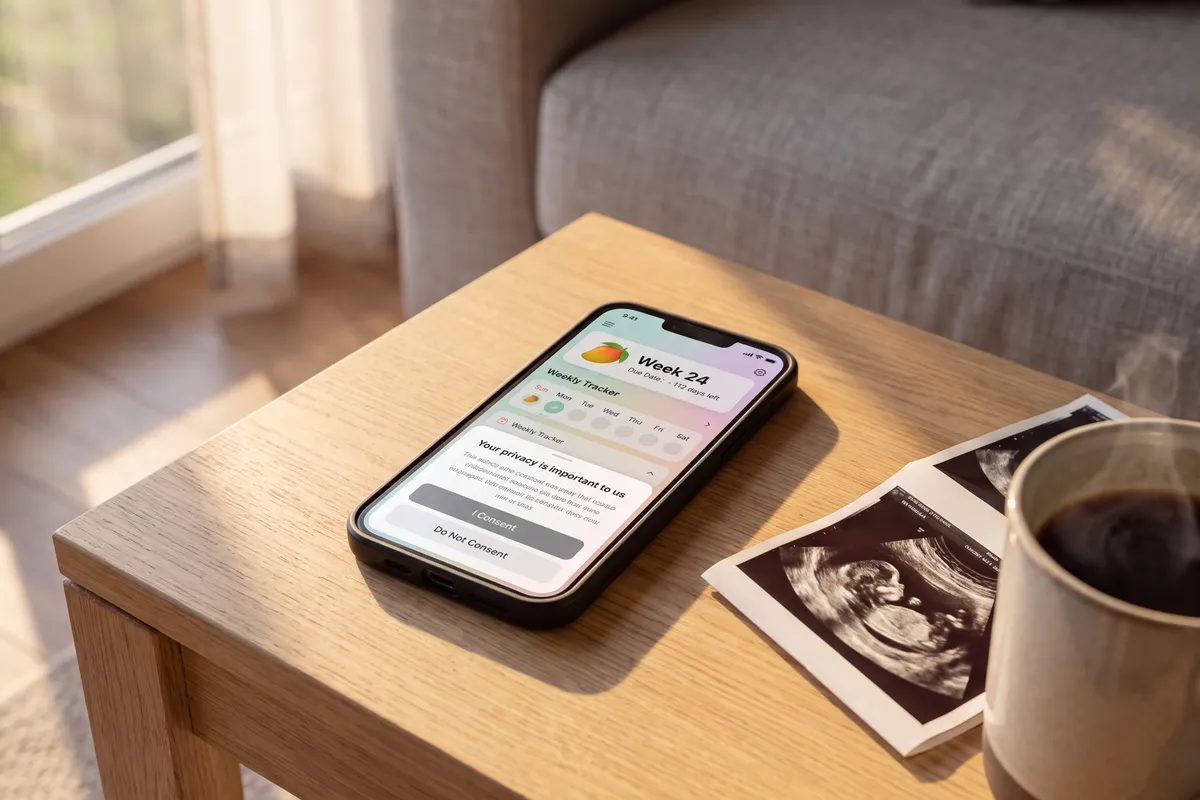

On Sept. 22, 2026, Amanda Reimer filed a class action lawsuit against BabyCenter LLC, Everyday Health Inc. and Ziff Davis Inc. in the U.S. District Court for the Central District of California.
The complaint alleges the pregnancy and parenting website sent visitors' browsing and health data to dozens of advertising and analytics companies after those visitors clicked "do not consent" on its cookie banner.
BabyCenter's cookie banner
BabyCenter invites expectant and new parents to read articles, run its due date and ovulation calculators, and log details about their pregnancies and children. Ziff Davis owns both BabyCenter and Everyday Health, and the lawsuit claims the three companies jointly run the site and wrote its privacy policy.
A popup tells visitors the site shares their information, including health interests, with advertising and analytics partners, and lets them accept or refuse.
Reimer's reported experience
Reimer says she used the site to read about and log details of her pregnancy and infant. She claims she refused cookies whenever the banner appeared. However, the proposed class action claims BabyCenter sent the titles of the articles and videos she viewed, along with the details she entered, to outside companies. Google, LiveRamp, Microsoft, Amazon and more than 30 other companies allegedly received that data.
The shared data reportedly included:
- Addresses of the pregnancy pages visitors read
- Words typed into the site's search bar
- Due date and ovulation calculator results
- IP address, location and device details
The alleged rejection signal
Within milliseconds of a refusal, BabyCenter allegedly logged the choice and sent Google an event labeled zdconsent\_RejectedAll. The complaint contends this shows the companies knew about each refusal as it happened. It also alleges the site gave Google its own persistent ID for each user. LiveRamp, which matches browsing activity to real people, reportedly set cookies of its own that can tie pregnancy browsing to a specific person.
The tracking started before the banner appeared, the proposed class action claims. Because the defendants control the settings that decide when tracking tools activate, they alone decided whether to accept a refusal, according to the lawsuit.
Legal claims in the BabyCenter lawsuit
Reimer brings 11 claims under the following laws:
- California Invasion of Privacy Act, Section 631, which bars reading or learning the contents of communications in transit without consent
- California Invasion of Privacy Act, Section 632, which bars recording confidential communications without consent
- Federal Wiretap Act, which bars intercepting electronic communications without consent
- California Comprehensive Computer Data Access and Fraud Act, which bars taking data from a person's device without permission
The remaining claims cover invasion of privacy, intrusion upon seclusion, fraud, negligent misrepresentation, intentional misrepresentation, breach of contract and unjust enrichment. Reimer seeks statutory damages under both privacy laws plus punitive damages and an injunction to stop the alleged tracking.
What the lawsuit means for BabyCenter visitors
The proposed nationwide class covers anyone who browsed the site after rejecting some or all cookies and a California subclass covers people who did so in California.
The case remains pending in the Central District of California. There is no settlement, no claims process and no money available at this time.




.webp)
.webp)
.webp)

.webp)
.webp)
.webp)
.webp)





.svg)