.png)
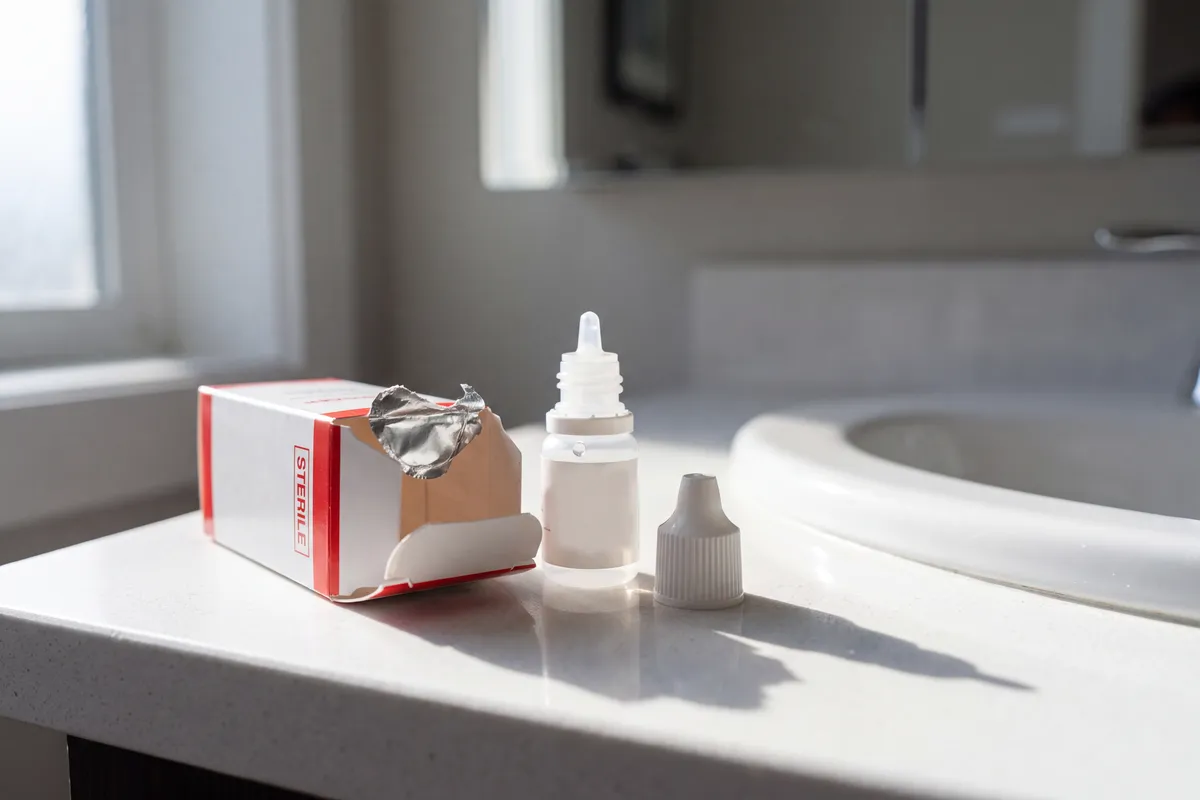

Maya Heredia and Emmanuel Vega filed a class action lawsuit on Sept. 17, 2026, against Rohto-Mentholatum Co. Ltd., Rohto Pharmaceutical Co. Ltd. and The Mentholatum Co. in the U.S. District Court for the Western District of New York.
The lawsuit claims the companies sold six varieties of Rohto Cooling Eye Drops with a front label reading "sterile" when the drops fell short of the federal sterility standard.
The Rohto eye drops recall
Rohto-Mentholatum issued a voluntary nationwide recall of its eye drops on July 14, 2026, in conjunction the U.S. Food and Drug Administration.
The recalled Rohto Cooling Eye Drops varieties include:
- All-In-One
- Max Strength
- Optic Glow
- Digi Eye
- Dry Aid
- Cool Relief
The recall covered nearly 12 million cartons of eye drops. FDA reviewers assigned it a Class II classification, the tier covering temporary or reversible harm, and cited a lack of assurance of sterility, according to the lawsuit It claims every recalled carton counts as adulterated and misbranded under the Federal Food, Drug and Cosmetic Act.
Heredia says she bought Rohto All-in-One drops from Walmart, and Vega claims he bought three varieties through Amazon. Both say they read the sterility labeling before paying and did not know about the recall, according to the proposed class action.
The Rohto website and social accounts did not post about the recall, the lawsuit alleges. It claims the product pages for the affected drops switched to a sold-out status while still promoting them for their intended uses.
The legal claims
The complaint brings several counts:
- California Consumers Legal Remedies Act, Unfair Competition Law and False Advertising Law, which bar misrepresenting the quality of goods and making untrue product claims
- Illinois Consumer Fraud and Deceptive Business Practices Act and Illinois Deceptive Trade Practices Act, which are Illinois' counterparts to the California laws
- State consumer protection statutes in 10 states, which the lawsuit pleads for a multistate class
- Breach of implied warranty, which is the rule that goods must match their own label
- Song-Beverly Consumer Warranty Act, which is a California law adding warranty protection for buyers
- Unjust enrichment, which asks a court to strip profits a company should not keep
The plaintiffs seek actual, statutory and punitive damages plus fees and costs.
What this means for people who bought Rohto eye drops
The complaint asks the court to order full refunds to everyone in the proposed classes, including consumers who threw the bottle away, plus a notice program wide enough to reach them. The plaintiffs propose a nationwide class alongside California, Illinois and multistate groups.
The case remains pending in the Western District of New York. There is no settlement, no claims process and no money available at this time.




.webp)
.webp)
.webp)

.webp)
.webp)
.webp)
.webp)





.svg)