.png)
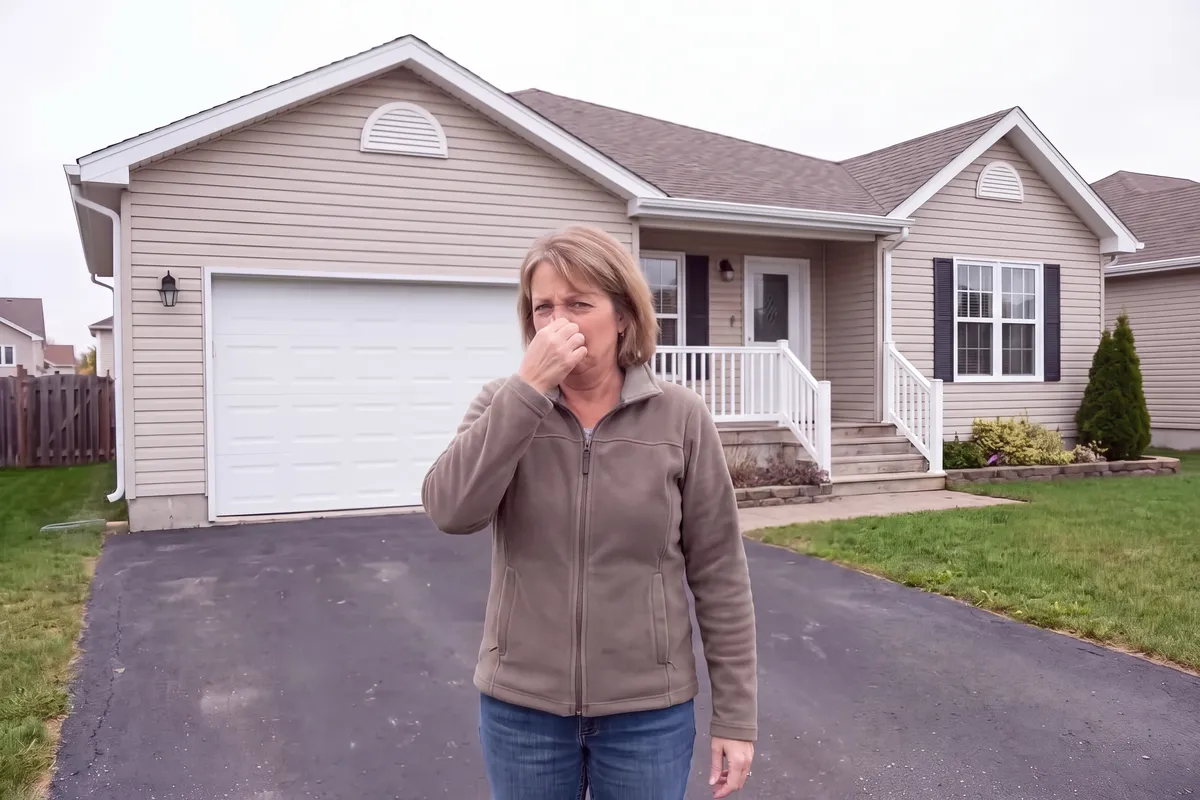

Individuals who owned, rented or leased a residential property within 1.75 miles of the Rhode Island Bioenergy Facility at 289 Scituate Ave. in Johnston, Rhode Island, at any time since Jan. 1, 2016, may be eligible to claim a cash payment from a class action settlement.
Rhode Island Bioenergy Facility LLC agreed to pay $850,000 to settle a class action lawsuit for alleged nuisance related to noxious odors emitted from its facility. In addition to the monetary settlement, the company will spend $150,000 on odor control improvements.
Who can file a claim?
Class members must meet all of the following criteria:
- They owned, rented or leased any residential property located in whole or in part within 1.75 miles of the Rhode Island Bioenergy Facility at 289 Scituate Ave., Johnston, Rhode Island.
- Their ownership, rental or lease occurred at any time since Jan. 1, 2016.
- The property must be residential (not commercial).
Additional details:
- The class area is defined by a specific map, which is available on the official settlement website.
- Class members can only claim one property per claim form. Those who owned or rented multiple properties within the class area must submit a separate claim form for each property.
- Both current and former owners, tenants or lessees are eligible.
How much can class members receive?
The total settlement fund available for class members is $850,000. The amount each class member receives depends on the total number of valid claims submitted. After deducting settlement administration costs, attorneys' fees and expenses, and incentive awards for the named plaintiffs, the settlement administrator will distribute the remaining funds equally among all approved claimants based on the number of qualifying addresses.
In addition to the cash payment, all class members (even those who opt out or do not submit a claim) will benefit from the $150,000 in odor control improvements at the facility
How to claim a settlement payout
To receive a payment, class members must submit a claim form with supporting documentation. They can use the online claim form or download, print, complete and mail the PDF claim form to the settlement administrator.
Settlement administrator's mailing address: Liddle Sheets P.C., 975 E. Jefferson Ave., Detroit, MI 48207
The claim deadline is Nov. 3, 2026.
Is proof or documentation required to submit a claim?
Yes. Claimants must provide documentation to establish their identity and connection to the claimed property. Required proof includes:
- Copy of a government-issued photo identification (such as a driver's license or state ID)
- Dates of ownership or tenancy at the claimed address
- If claiming as an owner: Copy of the deed or other documentation of ownership (if the address on the claimant's ID does not match, provide a utility bill or other proof of residence at the property)
- If claiming as a tenant: Copy of a valid lease or rental agreement, or other proof of occupancy (such as a utility bill)
Payout options
The settlement does not specify a payment type.
$1 million settlement fund breakdown
The $850,000 settlement fund will cover:
- Settlement administration costs: To be determined
- Attorneys' fees: Up to $283,333
- Attorneys' expenses: To. bedetermined
- Incentive awards to named plaintiffs: $2,500 each
- Payments to approved class members: Remaining balance
In addition to the $850,000 settlement fund, Rhode Island Bioenergy Facility LLC will spend $150,000 on odor control improvements at the facility.
Important dates
- Deadline to opt out: Oct. 19, 2026
- Deadline to file a claim: Nov. 3, 2026
- Final fairness hearing: Nov. 4, 2026
When is the Rhode Island Bioenergy Facility class action settlement payout date?
The settlement administrator will issue payments after the court resolves any appeals and grants final approval of the settlement.
Why was there a class action settlement?
The class action lawsuit alleged that noxious odors from the Rhode Island Bioenergy Facility invaded residents' properties, causing a nuisance and other damages. The lawsuit asserted claims of private nuisance, public nuisance and negligence.
The defendant denied any wrongdoing or liability. Both sides agreed to settle to avoid the cost, delay and risk of continued litigation and trial.






.webp)
.webp)
.webp)

.webp)
.webp)
.webp)
.webp)


.svg)