.png)
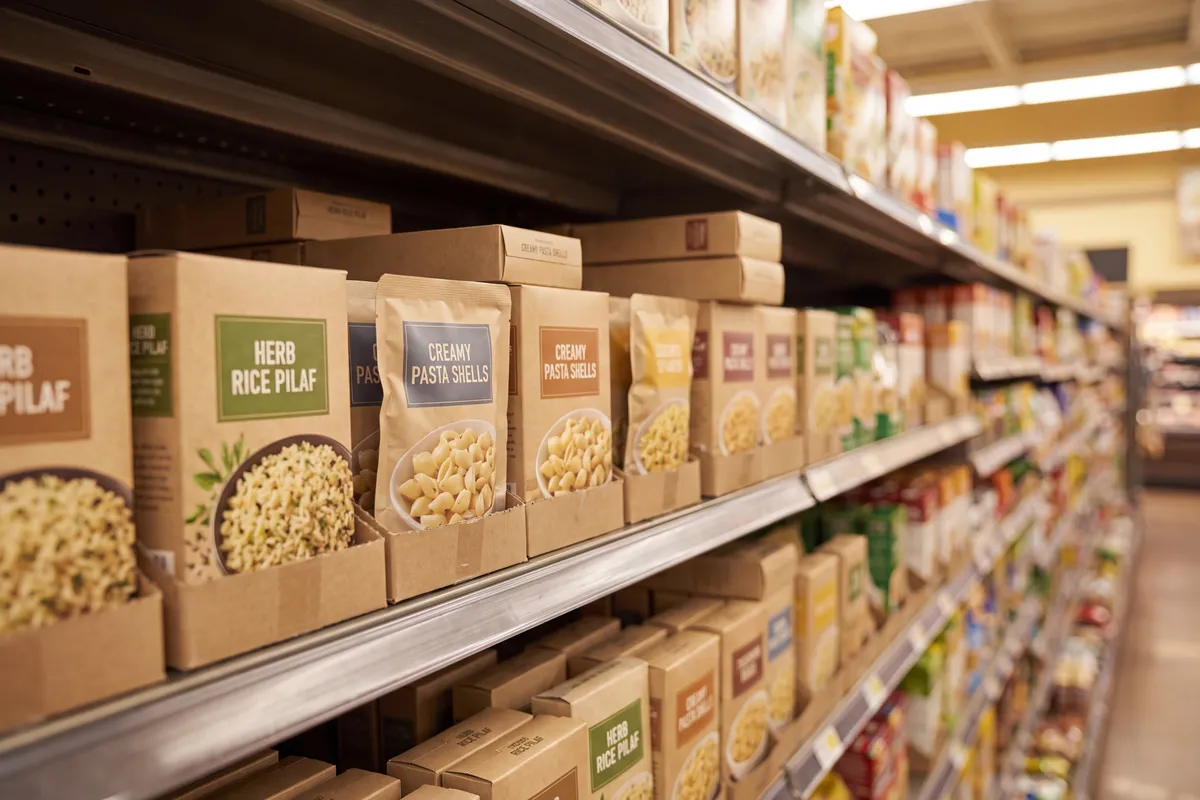

On July 30, 2026, Charles Lisa filed a class action lawsuit against Unilever United States Inc. in the U.S. District Court for the Southern District of New York. The complaint alleges Knorr Rice & Pasta Sides packages advertise no artificial flavors or preservatives yet four of the ingredients inside are artificial flavors or preservatives.
Lisa claims 25 Knorr products contain one or more of the following ingredients: citric acid, sodium citrate, disodium inosinate and disodium guanylate. The filing alleges the four ingredients are artificial flavors or preservatives.
LIsa says he bought a Knorr Rice & Pasta Side at a ShopRite in Scarsdale, New York, around May 2026, relying on the package's claim of no artificial flavors or preservatives. He claims he would have paid significantly less for the product or not bought it at all had he known it contained artificial flavors or preservatives.
The alleged artificial flavors or preservatives
Citric acid naturally occurs in citrus fruit. However, more than 99% of the commercial supply, including the ingredient Knorr uses, instead comes from industrial fermentation of aspergillus niger, a black mold, the lawsuit alleges. A U.S. Department of Agriculture technical evaluation report cited in the filing says natural citrus acid extraction is no longer commercially available.
The proposed class action claims citric acid is both a flavor and a preservative as it has a sour, acidic and slightly tart taste yet also slows bacterial growth and keeps food from breaking down. The Food and Drug Administration lists it as a preservative.
Sodium citrate, made from citric acid, carries a "synthetic" classification under federal organic rules and reportedly serves the same two roles. Disodium inosinate and disodium guanylate are synthetic flavor enhancers that work together to produce umami, the savory or meaty taste.
The legal claims
The complaint brings four claims against Unilever:
- New York General Business Law Section 349, which bars deceptive business practices and allows actual damages or $50, whichever is greater
- New York General Business Law Section 350, which is the state's false advertising law that allows actual damages or $500, whichever is greater, plus three times actual damages
- Breach of express warranty, which claims the front-label claim amounted to a binding promise about the product
- Unjust enrichment, which is pleaded as an alternative, seeking the revenue Unilever kept from the sales
Lisa's attorneys sent Unilever a pre-suit notice letter on Feb. 25, 2026, about five months before filing. He seeks compensatory and statutory damages, restitution, prejudgment interest, attorneys' fees, an injunction against the labeling and an order requiring Unilever to run a corrective advertising campaign, as well as a jury trial.
What this means for Knorr shoppers
The proposed class covers U.S. purchasers of the listed products within the limitations period plus a New York subclass. The two consumer protection claims belong to the New York subclass alone, while the warranty and unjust enrichment claims apply to the full class.
As of filing, no settlement exists, no claims process is open and no money is available.



.webp)
.webp)
.webp)

.webp)
.webp)
.webp)
.webp)






.svg)