.png)
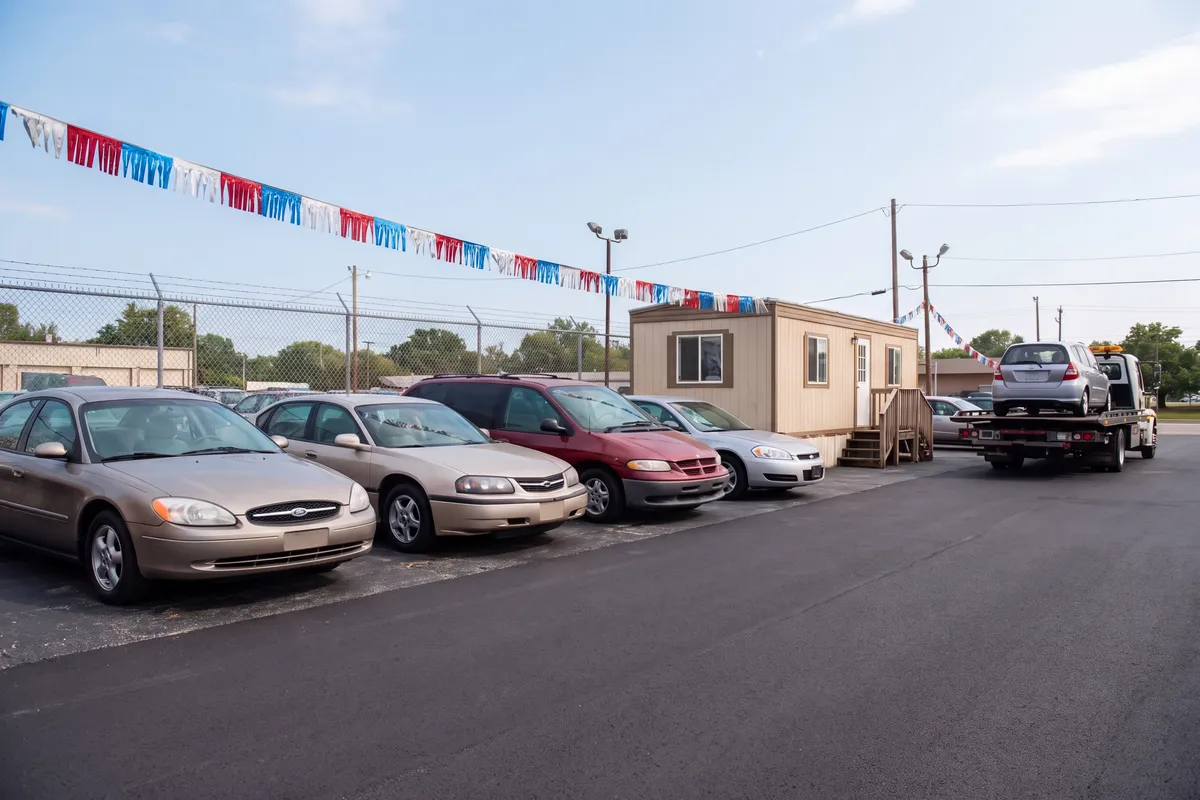

On Sept. 17, 2026, New York Attorney General Letitia James and Credit Acceptance Corp. filed a proposed consent order in the U.S. District Court for the Southern District of New York, settling the lawsuit her office brought against the subprime auto lender in 2023.
Attorneys general from 39 other states and the District of Columbia reached parallel agreements with the company the same day. The roughly $710 million Credit Acceptance settlement resolves allegations that the lender, known as CAC, steered borrowers with poor credit into car loans it knew or should have known they could not afford.
The allegations
CAC reportedly gives each loan an internal score predicting how much of the balance it will collect. The attorneys general alleged many low-score borrowers could not afford their loans, including some whose score showed the company did not expect to recover even the amount it lent.
New York's 2023 complaint claimed the lender approved one borrower for a $260 monthly payment when she took home about $950 a month and supported at least two children. It allegedly repossessed her car twice, collected more than $8,400 and then sued her for another $7,550.
Dealers in the company's network write the loans and then assign them to CAC, according to the proposed class action. The lawsuit claimed the lender paid dealers more for each add-on they sold, such as vehicle service contracts and GAP coverage, and ignored cases where dealers hid those products in the loan paperwork. The complaint estimates the share of loans with an add-on at 90% and says they added thousands of dollars to what borrowers owed.
Debt forgiveness
As part of the settlement, Credit Acceptance must provide debt forgiveness to loans that began between Nov. 1, 2015, and Nov. 30, 2025, and remained open on Dec. 1, 2025. Each of these qualifying loans carried an internal score below 56 and a monthly payment equal to at least 13% of the borrower's income at the start.
The forgiveness reportedly covers more than 55,000 borrowers in two groups:
- Borrowers who surrendered their car or lost it to repossession within 18 months (about $388 million)
- Borrowers who still have their car and will receive release of the lien on the title (about $246 million)
CAC must also stop collecting on these accounts by Nov. 2, 2026, and ask the three major credit bureaus to delete them from borrowers' reports, according to the settlement. A separate $60 million restitution fund will go to consumers who lost cars to repossession, the New York attorney general's office says. The company will also pay $15.5 million to the states.
New limits on future CAC loans
For the next five years, CAC must waive 95% of the deficiency balance, the amount still owed after a repossessed car sells at auction, for its highest-risk borrowers whose cars it repossesses within 12 or 18 months, according to the settlement. It also cannot sue those borrowers or sell their debt.
Other changes, each in effect for seven years, include:
- A price cap of 109% of the highest retail book value for buyers with credit scores below 600
- Pre-loan disclosures showing how often similar borrowers fall behind
- A signed form showing the payment with and without add-ons plus easier cancellation
- Income verification and a cap on used-car loan length
What the Credit Acceptance settlement means for borrowers
There is no claim form. CAC says it will notify borrowers who qualify for forgiveness by mail or email no later than Feb. 1, 2027, and a settlement administrator will contact anyone eligible for restitution.
The company estimates the share of open accounts that qualify at fewer than 3% and tells everyone else to keep paying. CAC's settlement page warns that its notices will not include links or ask for personal information.





.webp)
.webp)
.webp)

.webp)
.webp)
.webp)
.webp)






.svg)