.png)

Update: The claim deadline has been extended to July 16, 2026. The final hearing has been rescheduled for Sept. 23, 2026.
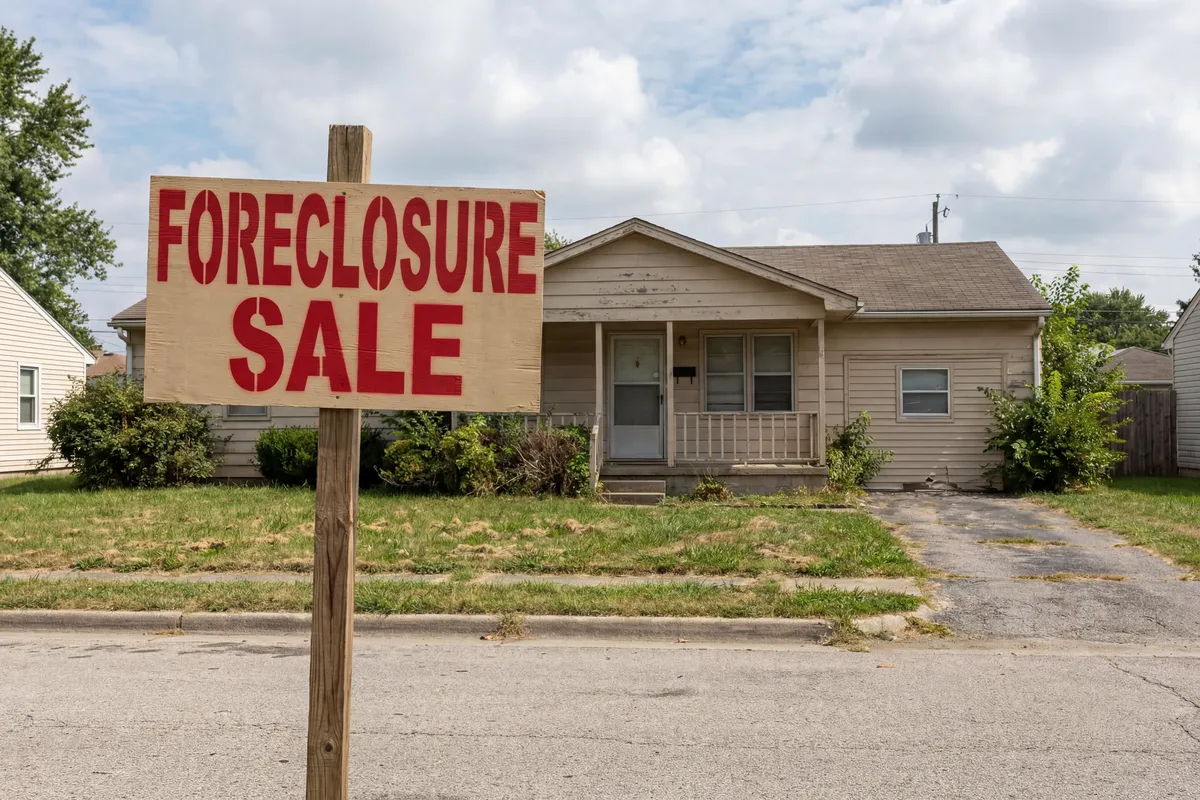
Individuals who owned property that one of 28 Michigan counties foreclosed between Jan. 1, 2013, and Dec. 31, 2020, and whose property the county sold at auction for more than the unpaid taxes may be eligible to claim a cash payment from class action settlements.
The counties agreed to two separate settlements to resolve class action lawsuits alleging they unlawfully kept the surplus proceeds from tax-foreclosed property sales instead of returning the excess to former owners.
Who can file a claim?
To be eligible to file a claim, individuals or entities must meet all of the following criteria:
- They owned property in fee simple in any of 28 Michigan counties, including:
- Alcona
- Alpena
- Arenac
- Bay
- Clare
- Cheboygan
- Crawford
- Genesee
- Gladwin
- Gratiot
- Huron
- Isabella
- Jackson
- Lapeer
- Lenawee
- Macomb
- Midland
- Monroe
- Montmorency
- Ogemaw
- Oscoda
- Otsego
- Presque Isle
- Roscommon
- Saginaw
- Sanilac
- St. Clair
- Tuscola
- One of the counties foreclosed on the property through a real property tax foreclosure between Jan. 1, 2013, and Dec. 31, 2020.
- The property sold at a tax auction for more than the total amount of unpaid taxes, fees and costs (the minimum sale price).
- The county did not refund the surplus proceeds (the amount above the taxes, fees and costs) to the former owner.
Heirs or successors of eligible former property owners may also file a claim if they provide documentation showing their relationship to the deceased or former owner. This includes:
- Joint owners and estates of deceased owners
- Entities such as trusts or corporations that held title at the time of foreclosure
For individuals who held a joint ownership interest, all joint owners may file a claim together.
There are two main categories of class members:
- Regular settlement class members: Those whose properties are not subject to a competing surplus proceeds motion by another claimant
- Limited settlement class members: Those whose property is subject to a competing surplus proceeds motion by another claimant in certain counties (if more than 5% of properties in a county are affected)
Who is excluded from the class?
- Anyone who already released or resolved their claim for surplus proceeds with the county after foreclosure either by agreement or final judgment
- Those who file a surplus proceeds motion in Michigan state court and did not withdraw it by Oct. 31, 2025
- Class members who submit a valid and timely request for exclusion from the settlement
- Anyone with an interest in a property where another claimant filed a surplus proceeds motion (unless certain thresholds are met, in which case they may be considered limited settlement class members)
How much is the surplus proceeds payout?
The settlement provides for payments generally equal to 125% of the surplus proceeds from the sale of each eligible property minus attorneys' fees and costs. The settlement administrator will calculate surplus proceeds as the difference between the auction sale price and the minimum sale price (the total of all delinquent taxes, interest, penalties, fees, costs and estimated sale expenses).
- Regular settlement class members will receive 125% of the surplus proceeds for their property less attorneys' fees (up to 20%) and costs.
- For limited settlement class members, if another person files a surplus proceeds motion for the same property, the payment is 125% of the remaining surplus proceeds after subtracting the amount awarded to the other claimant by court order.
If the total claims and administrative expenses in a county exceed the maximum liability (90% of the total surplus proceeds from all eligible properties in that county plus administrative costs), the settlement administrator will reduce payments on a pro rata basis.
How to claim a settlement payment
Class members can file the online claim form or download, print and complete the PDF claim form to mail to the settlement administrator. The claim deadline is March 3, 2026.
Settlement administrator's mailing address: Surplus Proceeds Settlement Administrator, c/o RG/2 Claims Administration, P.O. Box 59479 Philadelphia, PA 19102-9479
Is proof or documentation required to submit a claim?
Yes. Claimants must provide documentation showing their ownership interest at the time of foreclosure. Acceptable documents include:
- Deeds
- Tax bills
- Mortgages
- Utility bills
- Certificate of trust (if the property was owned by a trust)
- Proof of heirship or probate documentation (if claiming as an heir or successor)
Payout options
- The settlement administrator will issue payments by check.
- It may issue checks jointly to multiple owners or to the probate estate for deceased owners.
- In cases of bundled properties, the settlement administrator will divide payments according to the number of properties owned.
Settlement fund breakdown
The settlement fund covers:
- Settlement administration costs: The costs associated with the class notice and up to $25,000 in court-approved costs incurred by class counsel
- Attorneys' fees: Up to 20% of the amount paid to class members
- Attorneys' expenses: Up to $25,000
- Payments to eligible class members: 125% of surplus proceeds (subject to deductions and possible pro rata reduction)
Important dates
- Deadline for exclusion: April 30, 2025
- Deadline to file a claim: July 16, 2026
- Fairness hearing: Sept. 23, 2026
When is the surplus proceeds settlement payout date?
The settlement administrator will issue payments after the court resolves all appeals and grants final approval to the settlement.
Why did this class action settlement happen?
The class action lawsuit alleged some Michigan counties violated former property owners' rights by keeping the surplus proceeds from tax-foreclosed property sales instead of returning the excess to the owners.
The counties deny wrongdoing but agreed to settle to avoid the risks and costs of continued litigation. The settlement provides a process for eligible former owners and their heirs to recover a portion of the surplus proceeds.





.webp)
.webp)
.webp)

.webp)
.webp)
.webp)
.webp)





.svg)