.png)
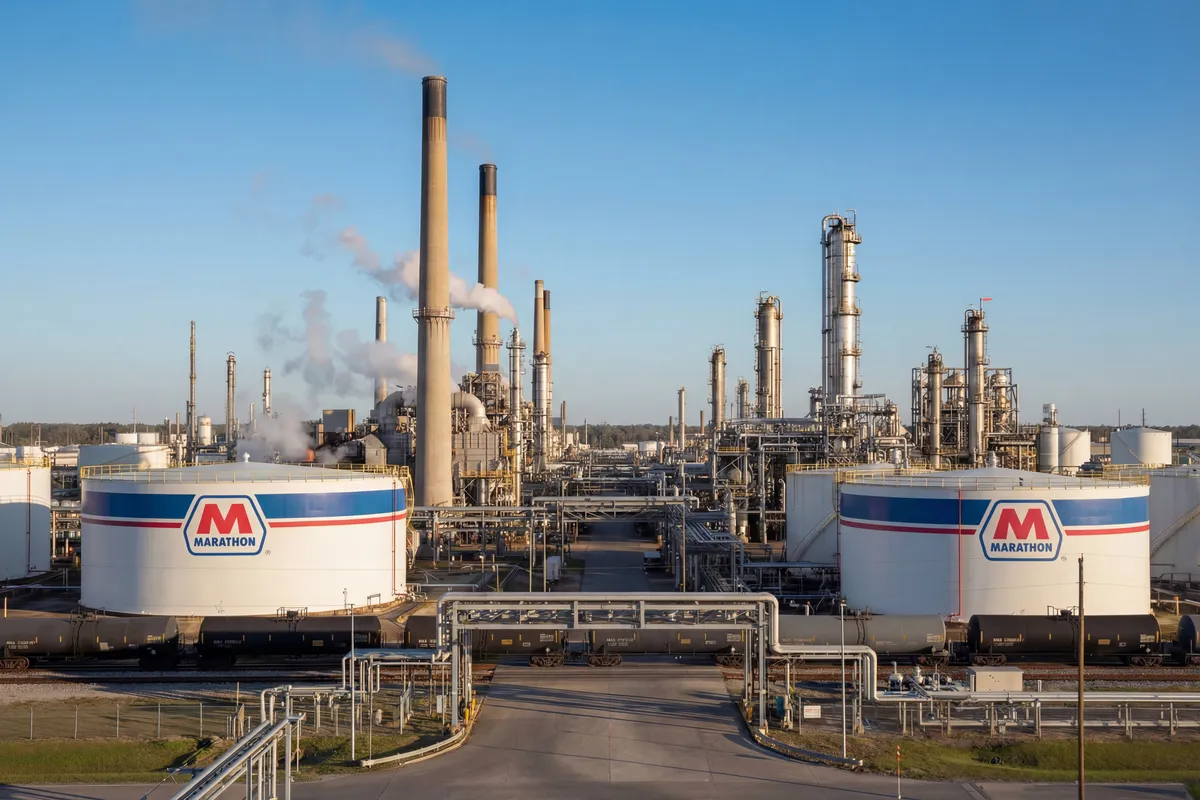

Employees who worked primary relief shifts as operators or lab workers at Marathon's Los Angeles refinery between May 4, 2020, and Nov. 24, 2025, may be eligible to claim a cash payment from a class action settlement.
Marathon Refining and Logistics Services LLC agreed to pay $9,000,000 to settle a class action lawsuit alleging it violated California wage and hour laws. The claims include failure to pay reporting time pay for primary relief shifts, failure to provide accurate wage statements, failure to pay all wages owed at termination and violations of the Private Attorneys General Act.
Who are the class members?
The class includes:
- All current and former operators and lab workers of Marathon who worked at the Los Angeles refinery (Carson and Wilmington, California)
- Individuals who worked primary relief shifts at any time from May 4, 2020, through Nov. 24, 2025
The settlement administrator identified class members using Marathon’s business records. If an individual received a notice about this settlement, the administrator identified them as a class member.
How much can class members receive?
The total settlement fund is $9,000,000, which the settlement administrator will distribute after it deducts attorneys’ fees, costs, service awards, administration expenses and PAGA penalties.The amount each class member will receive depends on the number of workweeks they worked during the class period while assigned primary relief shifts.
Additional details:
- Each class member terminated during the class period will receive an additional $1,000 for the “waiting time” penalty claim under California Labor Code § 203.
- Each class member will receive a minimum of four workweeks even if they worked less.
- Those who opt out will still receive the PAGA penalty portion based on their workweeks during the PAGA period (May 4, 2022, to Nov. 24, 2025).
- All payments are subject to tax withholdings.
- The settlement administrator will deduct union dues from the wage portion, if applicable.
- PAGA penalty payments are are not subject to wage withholdings.
No action needed to receive compensation
Class members do not need to file a claim to receive their settlement payment. Eligible class members will automatically receive their payment at the address on file. If their address has changed, they should update their information with the settlement administrator to ensure they receive payment.
Those who disagree with the number of workweeks listed in their notice may submit a notice of dispute with supporting documentation (such as pay stubs or schedules) to the settlement administrator by March 13, 2026.
Settlement administrator’s mailing address: Butel Settlement Administrator, c/o A.B. Data Ltd., P.O. Box 170500, Milwaukee, WI 53217
Payout options
The settlement administrator will mail paper checks to the address on file. Class members must cash their check within 180 days.
$9 million settlement fund breakdown
The $9,000,000 settlement fund covers:
- Settlement administration costs: Up to $25,000 (estimated)
- Attorneys’ fees: $2,250,000 (25% of the settlement fund)
- Attorneys’ expenses: $50,000 (estimated)
- Service awards to class representatives: Up to $15,000 each (up to $30,000 total)
- PAGA penalties: $75,000 ($56,250 to the state and $18,750 to class members and opt-outs)
- Payments to eligible class members: $6,641,250 (estimated remainder)
Important dates
- Deadline to dispute workweeks: March 13, 2026
- Deadline to opt out: March 13, 2026
- Final approval/fairness hearing: April 27, 2026
When is the Butel v. Marathon payout date?
The settlement administrator will mail checks to eligible class members approximately 52 days after the court grants final approval and the settlement becomes effective.
Why is there a class action settlement?
The class action lawsuit alleged Marathon failed to pay reporting time pay for primary relief shifts, did not provide accurate wage statements and failed to pay all wages owed at termination. The lawsuit also included claims under the Private Attorneys General Act.
Marathon denies all wrongdoing and liability but agreed to settle to avoid the risks and expenses of continued litigation. The settlement is not an admission of liability.






.webp)
.webp)
.webp)

.webp)
.webp)
.webp)
.webp)


.svg)