.png)
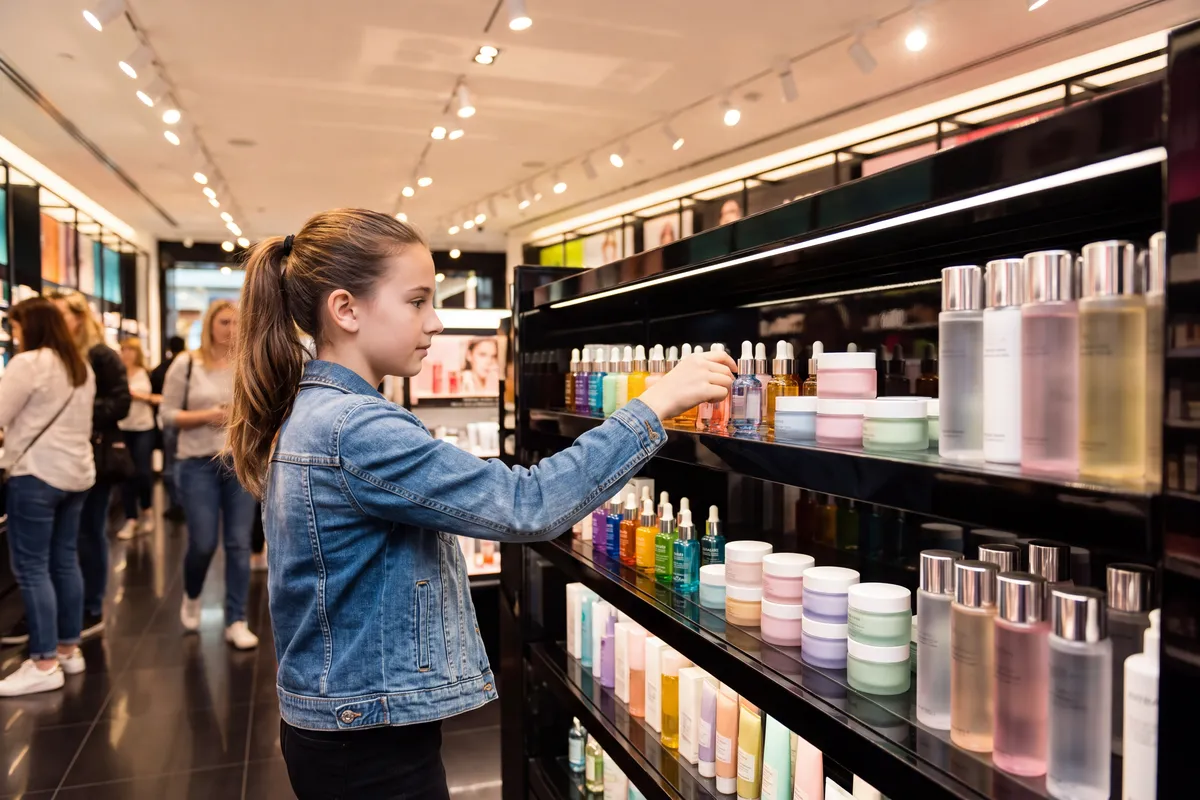

On Sept. 4, 2026, Joseph Vettel and a 13-year-old girl identified as L.K. filed a class action lawsuit against Sephora USA Inc. in the U.S. District Court for the Northern District of California.
The complaint alleges Sephora used influencers and social media marketing to sell children skincare products containing potentially harmful ingredients without adequate warnings.
The products at issue
The filing identifies more than 1,600 products containing ingredients it calls “unsuitable chemicals,” including exfoliating acids, retinoids, vitamin C derivatives, peptides and certain sunscreen ingredients. It claims unnecessary or improper use can cause burning, peeling, irritation and increased sun sensitivity.
Many of the products target adult concerns, such as wrinkles and sun damage, and children can compound the risks by combining products with overlapping ingredients, the lawsuit alleges.
The plaintiffs’ purchases
Vettel says he bought a Drunk Elephant resurfacing serum and a Laneige lip mask for his then-16-year-old daughter after she discovered them through social media and friends.
L.K.’s account describes purchases she or her mother made online and in stores, including Glow Recipe, Summer Fridays and Laneige products. She reportedly followed skincare influencers and asked Sephora employees for recommendations.
Both plaintiffs allege they trusted Sephora to sell age-appropriate products and would not have made the purchases if the retailer adequately disclosed the risks.
The alleged marketing and missing warnings
The proposed class action claims Sephora cultivated demand among children through paid influencers, a TikTok marketing partnership and youth-focused brands. Its allegations include undisclosed payments, free products and other financial ties between Sephora and some creators.
In April 2026, Sephora reached an agreement with Connecticut’s attorney general requiring online warnings and employee training about products potentially unsuitable for children younger than age 13. However, those safeguards do not include teenagers and do not require comparable warnings on store shelves, the plaintiffs contend. The complaint cites Sephora’s skincare guide, which acknowledges that certain ingredients may not suit younger skin while directing young shoppers to employees the plaintiffs describe as inadequately trained.
The legal claim
The lawsuit brings one claim under California’s Unfair Competition Law, which prohibits unlawful, unfair or fraudulent business practices. The plaintiffs seek refunds and a court order requiring clearer age-related disclosures, safeguards and employee training plus attorneys’ fees and costs.
What this means for Sephora shoppers
Vettel and L.K. seek to represent people nationwide who bought products containing the challenged ingredients from Sephora between Sept. 4, 2022, and Sept. 4, 2026. One proposed class covers purchases for children ages 12 and younger; the other covers purchases for teenagers ages 13-17.
The complaint does not establish a settlement, claims process or payment. The plaintiffs must still prove their allegations and obtain court approval to represent the proposed classes.





.webp)
.webp)
.webp)

.webp)
.webp)
.webp)
.webp)


.svg)