.png)
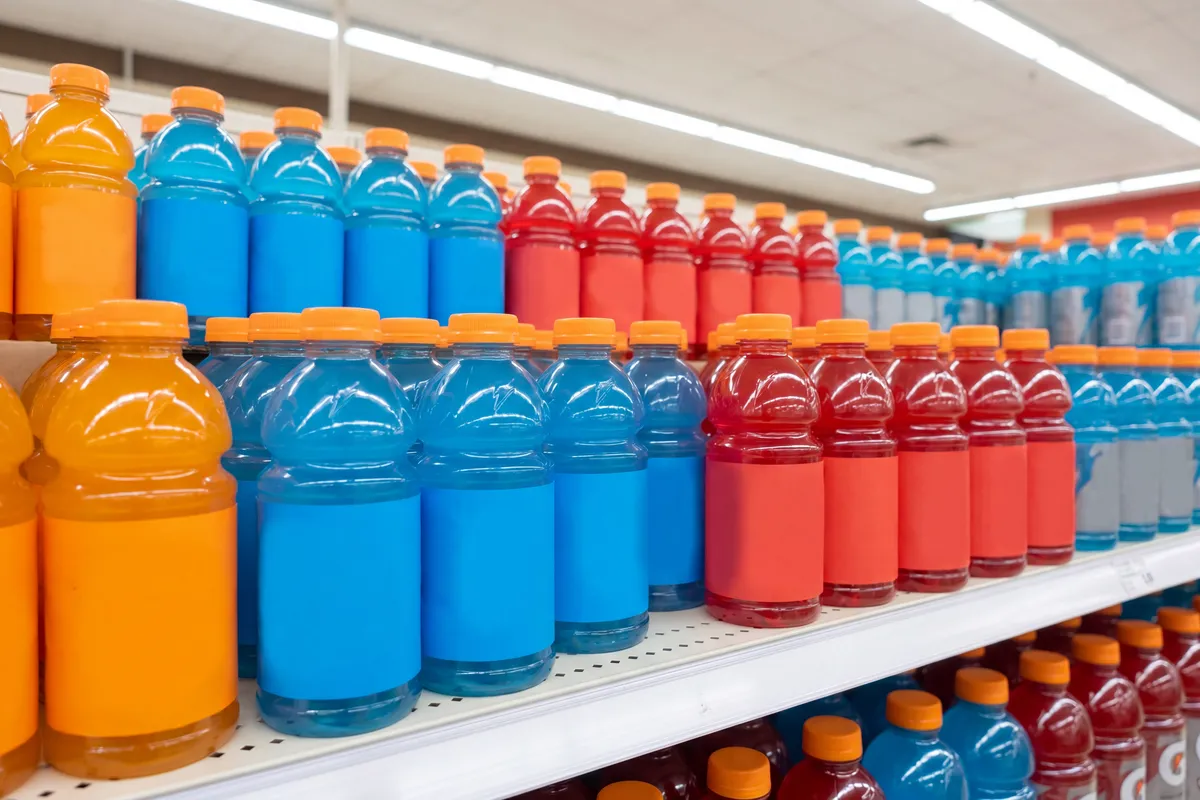

California resident Alex Kononenko filed a class action lawsuit against PepsiCo Inc. and subsidiary Stokely-Van Camp Inc. on May 14, 2026, in Santa Clara County Superior Court, claiming Gatorade markets a wide range of sports drinks and powders as having no artificial flavors while every one of them contains manufactured citric acid, an ingredient he claims is artificial.
The case, Kononenko v. PepsiCo Inc., et al., names roughly a dozen Gatorade products, including the lower sugar electrolyte sports drink, G Zero, Gatorlyte, Propel tablets and hydration booster powder.
How the alleged deception works
Gatorade allegedly labels the challenged products with prominent front-panel claims like "no artificial flavors, sweeteners or added colors" and "naturally flavored with other natural flavors." But the citric acid Gatorade uses is not natural, the lawsuit claims.
Roughly 99% of the world's commercial citric acid does not come from citrus fruit, the suit alleges. Manufacturers instead produce it through industrial fermentation using a black mold called Aspergillus niger then extract the result with chemical solvents including n-octyl alcohol and synthetic isoparaffinic petroleum hydrocarbons, a process described in federal food additive regulation 21 C.F.R. § 173.280.
The complaint also cites two Food and Drug Administration warning letters from 2001 informing Hirzel Canning Co. and Oak Tree Dairy Farm Inc. that products containing synthetic citric acid could not lawfully carry "all natural" or "100% natural" labels. The Ninth Circuit reached a similar conclusion in its 2016 decision in Brazil v. Dole Packaged Foods LLC, reversing a lower court and holding a jury could reasonably decide synthetic citric acid does not qualify as natural.
The legal claims
The complaint asserts seven causes of action against PepsiCo and Stokely-Van Camp:
- California Unfair Competition Law, covering unfair, fraudulent and unlawful business conduct
- California False Advertising Law, which bars untrue or misleading advertising
- California Consumers Legal Remedies Act, which prohibits deceptive acts in consumer transactions
- Breach of express warranty based on the front-label claim
- Unjust enrichment and restitution
- Intentional misrepresentation
- Negligent misrepresentation
Kononenko seeks monetary damages, restitution, disgorgement of profits, injunctive relief requiring labeling changes, punitive damages, attorneys' fees and pre- and post-judgment interest.
What this means for Gatorade buyers
The lawsuit proposes two classes: a nationwide class covering everyone in the United States who bought the named products within four years before the filing date and a California subclass limited to California buyers during the same window.
There is no settlement, no claims process and no money available at this time. The lawsuit remains pending in Santa Clara County Superior Court. PepsiCo and Stokely-Van Camp did not file a formal response.





.webp)
.webp)
.webp)

.webp)
.webp)
.webp)
.webp)






.svg)