.png)
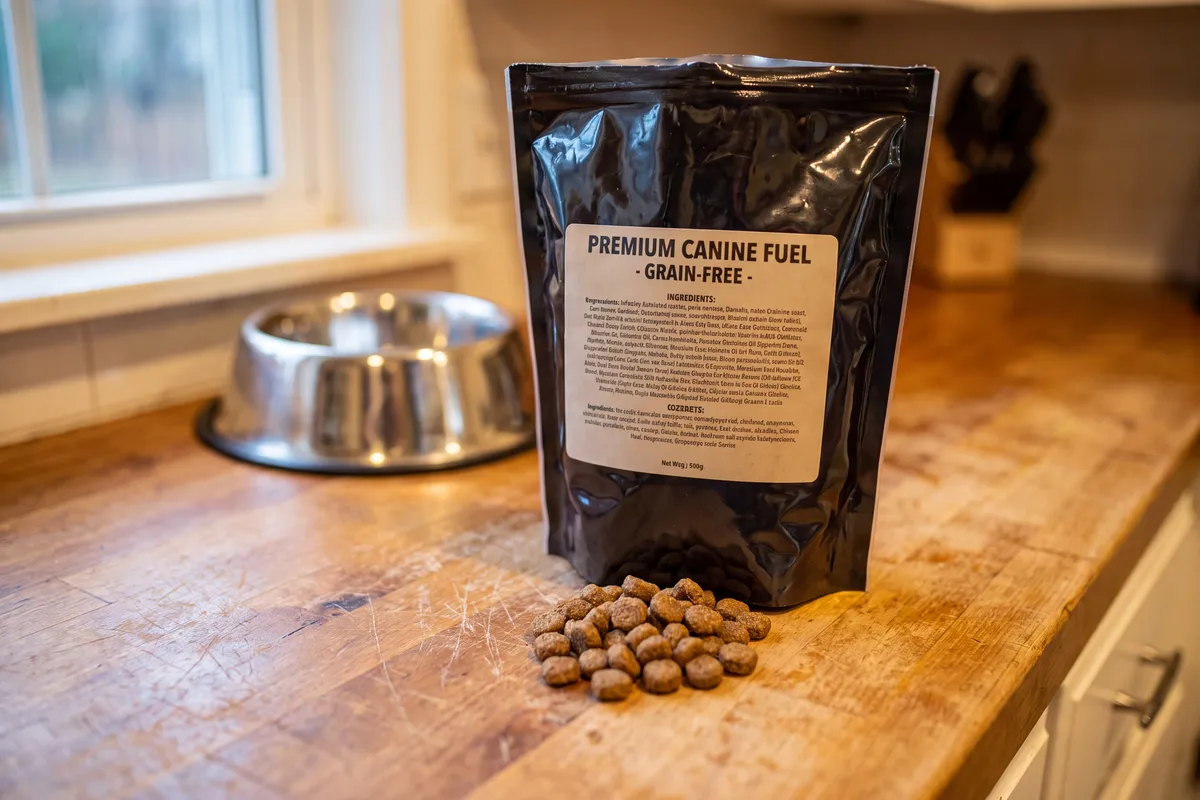

Dog owner Thea Zabnicki from Delaware County, New York, filed a class action lawsuit against Champion Petfoods USA Inc. on June 28, 2026, in the U.S. District Court for the District of Colorado in Boulder. Champion, an independent subsidiary of Mars Petcare, makes the Acana brand of grain-free dog food.
The lawsuit alleges Champion sells its Acana grain-free line as complete, health-forward nutrition yet the formulas lack vital nutrients and carry heart risks. Zabnicki says she fed her dog the products from 2023 to 2025 because she trusted the package's claims. However, the animal developed heart failure and died in 2025 at just 2.5 years old.
What the lawsuit alleges
Champion markets Acana grain-free line as fully balanced, everyday nutrition that gives dogs everything they need yet that claim does not match reality, the complaint contends.
It alleges Acana's grain-free formulas lack several nutrients found in grain-based dog foods, including iron, thiamine, calcium, riboflavin, folate and niacin, which reportedly support a dog's heart, nervous system and metabolism. The plaintiff's attorneys claim Champion Petfood advertises a product as healthier than it is to charge a premium while downplaying known risks.
Zabnicki says she bought five Acana products from online retailer Chewy, including the Appalachian ranch, duck and pear singles, freshwater fish, grasslands, and lamb and apple singles varieties. She switched her dog to the brand because Champion's marketing convinced her it was healthier than his prior food, the lawsuit. claims
How the suit connects grain-free food to heart disease
The class action lawsuit focuses on Champion's heavy use of peas, lentils and other legumes in Acana's grain-free recipes. It claims peer-reviewed research ties that ingredient profile to dilated cardiomyopathy, a condition in which the heart muscle enlarges and weakens until it can no longer pump blood effectively. In severe cases, DCM reportedly causes sudden cardiac death.
Despite years of regulatory attention, Champion has not added a warning to Acana grain-free packaging and instead publicly disputed any suggestion that the products endanger dogs, the complaint alleges.
The science cited in the lawsuit
The complaint cites several studies. One, published in BMC Veterinary Research, tracked healthy Labrador retrievers on a grain-free, legume-heavy diet and found decreases in red blood cell counts within 30 days that researchers linked to clinical DCM.
Additional research in the American College of Veterinary Internal Medicine's journal reported a median survival of 611 days for dogs with DCM on nontraditional diets and said when owners took dogs off grain-free food, they lived significantly longer.
The legal claims
Zabnicki brings the case for two groups: a nationwide class of everyone in the United States who bought the Acana grain-free products and a New York subclass of in-state buyers.
The complaint raises five claims:
- New York General Business Law Section 349, the state's consumer protection law barring deceptive business practices
- New York General Business Law Section 350, which targets false advertising
- Breach of express warranty, arguing Champion's product promises amounted to a binding guarantee it failed to keep
- Failure to warn, alleging Champion had a duty to disclose the known risks of its grain-free formulas
- Unjust enrichment, the claim that Champion should not keep profits earned from allegedly misleading buyers
Zabnicki asks the court to certify the class, award damages and restitution, and order Champion to add cardiovascular warnings to Acana grain-free packaging.
What the case means for Acana buyers
This is an early-stage lawsuit and not a settlement. There is no claims process or payout for consumers right now. The proposed class covers anyone who bought the Acana grain-free products, and the case will move forward only if the court certifies it.
Champion had not publicly responded to the lawsuit as of the filing date, and the allegations remain unproven.






.webp)
.webp)
.webp)

.webp)
.webp)
.webp)
.webp)





.svg)