.png)
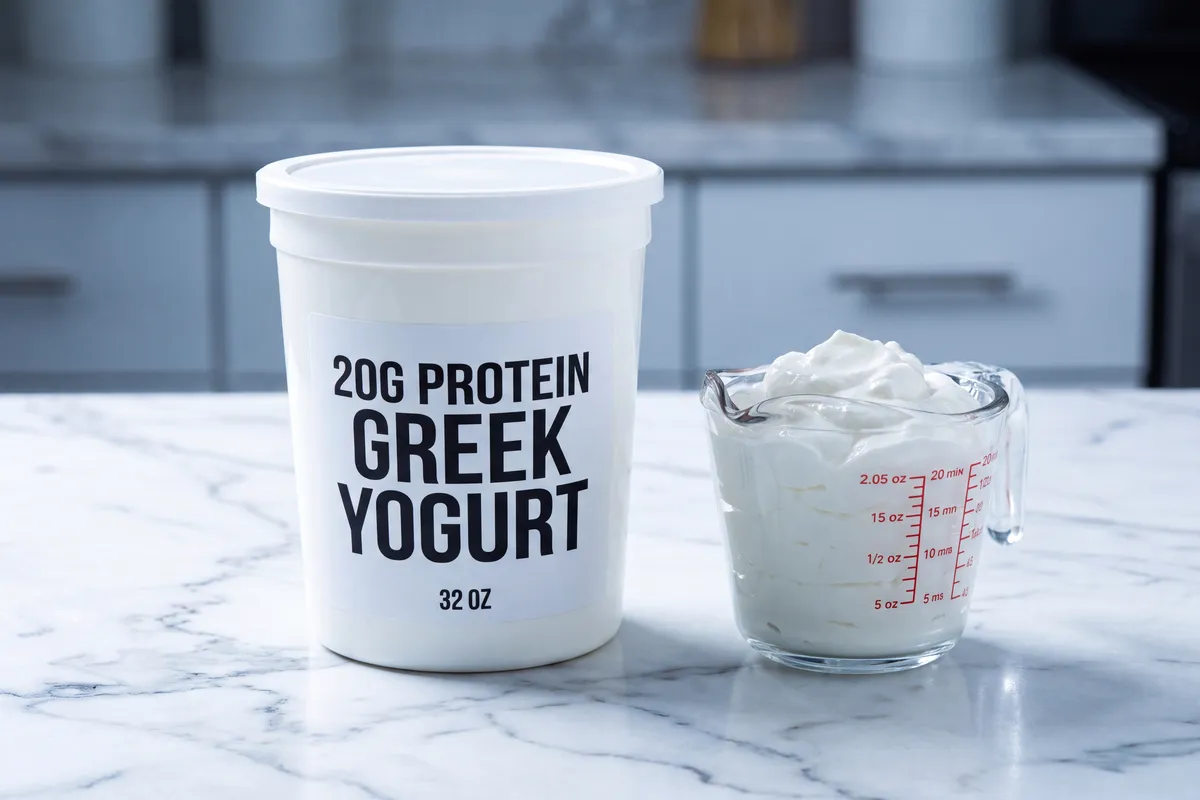

Two shoppers filed a class action lawsuit against Chobani LLC on July 7, 2026, in the U.S. District Court for the Southern District of New York alleging the the company does not follow Food and Drug Administration rules regarding yogurt servings.
The shoppers behind the case
Yolanda Pitre of California and Mikaela Kinderman of Illinois say they bought Chobani's 20-gram protein Greek yogurt in 32-ounce containers because of the protein advertising on the label. Both claim they would have paid less, or not bought the yogurt at all, had they known a serving should contain 18 grams of protein rather than 20, according to the lawsuit.
Chobani allegedly uses wrong serving size
The complaint alleges Chobani uses an inflated serving size that makes the yogurt appear more protein-dense than it is. The FDA sets a reference serving for each type of food that meant to reflect what a person typically eats in one sitting, the lawsuit states. For yogurt, that amount is 170 grams. Companies must label their serving in the standard cup measurement closest to that figure in quarter-cup or third-cup increments.
Chobani reportedly lists a serving as 3/4 cup, which its label states is 190 grams. However, the FDA's 170 grams calculates to about 0.671 cups, and the closest permitted measure is 2/3 cup, roughly 169 grams, not the 3/4 cup Chobani markets, according to the lawsuit.
At a 169-gram serving, the yogurt contains about 17.8 grams of protein, which rounds to 18, the complaint states. Chobani declares a larger serving, producing the 20-gram figure on the label.
The protein market
The lawsuit cites a Chobani survey from December 2024 in which 85% of Americans said they wanted more protein and 74% said the protein count per serving factors into what they buy. It also points to industry data showing a high-protein label can command up to a 12% price premium.
Chobani reportedly launched the high-protein line in October 2024. The class action quotes a senior research and development executive who said the name was meant to be "simple and literal" because it is "a Greek yogurt that will give you 20 grams of protein." The plaintiffs allege that claim is false because the protein number depends on a serving size they say breaks FDA rules.
The legal claims
The lawsuit brings six claims: three under California law and two under Illinois law on behalf of state subclasses plus one nationwide claim.
- California consumer-protection laws (Unfair Competition Law, False Advertising Law and Consumers Legal Remedies Act), which bar unlawful, unfair and misleading business practices
- Illinois consumer-protection laws (Consumer Fraud and Deceptive Business Practices Act and Uniform Deceptive Trade Practices Act), which prohibit deceptive conduct in selling goods
- Unjust enrichment, a theory that lets consumers recover money a company obtained unfairly, brought on behalf of the nationwide class and each subclass
The plaintiffs seek refunds, a share of Chobani's profits from the products, a court order requiring the company to change the label and attorneys' fees.
What this means for Chobani buyers
The proposed nationwide class covers everyone in the United States who bought the 32-ounce tubs with subclasses for buyers in California and Illinois. The class action lawsuit estimates the class's combined claims top $5 million.
Chobani has not responded to the allegations in court, and no judge has ruled on whether the case can proceed as a class action or on the serving-size question at its center.






.webp)
.webp)
.webp)

.webp)
.webp)
.webp)
.webp)


.svg)