.png)

On Aug. 19, 2026, Raymond Cid filed a class action lawsuit against Therabody Inc. in the U.S. District Court for the Central District of California.
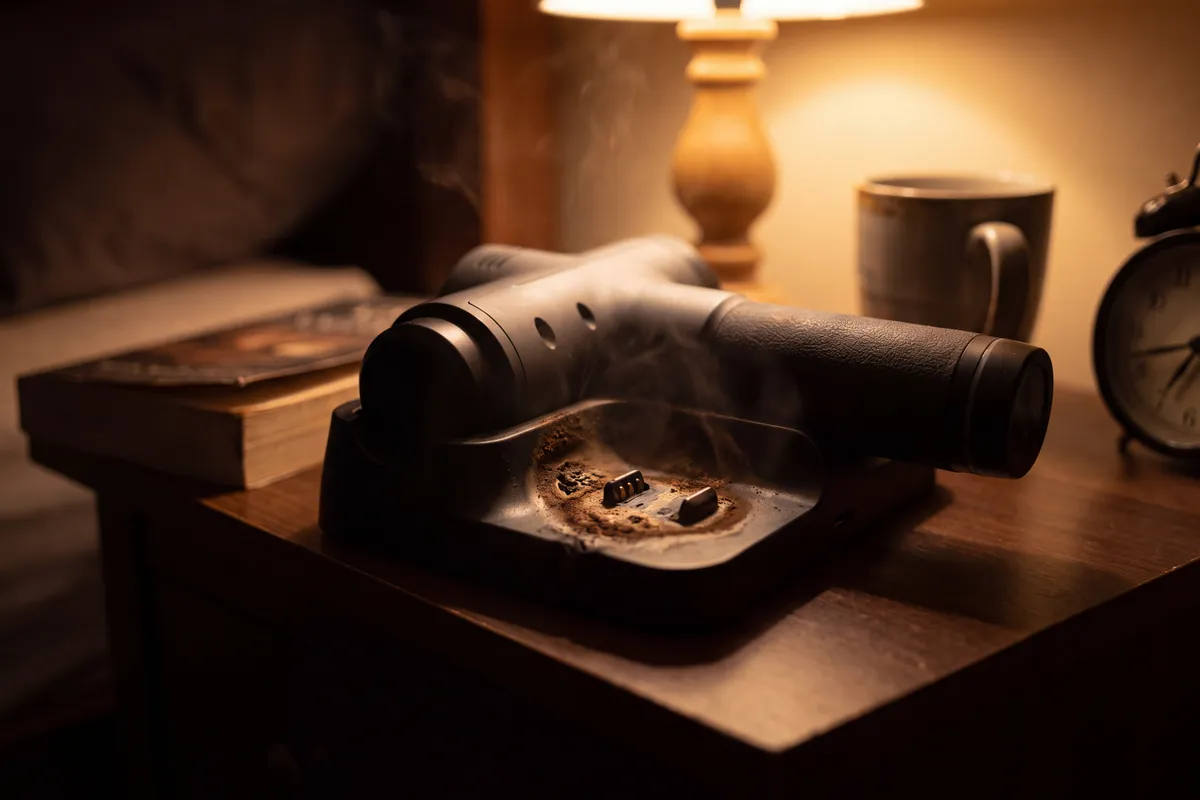
The complaint claims the charging cradle that comes with the fourth-generation Theragun Pro massage device can overheat while charging and start a fire.
The FDA recall
On July 31, 2026, the Food and Drug Administration announced a Class 2 recall of roughly 584,224 fourth-generation Theragun Pro charging cradles that Therabody sold in the United States since 2022. The recall notice reported that the company received allegations of chargers catching fire.
Other reports reportedly involved:
- Visible smoke
- Melting
- Charger burns
- Burning odors
- Overheating
Why the plaintiff calls the recall inadequate
Cid claims he bought a Theragun G4 Pro device at a California Best Buy in December 2024 for roughly $550. The packaging and product description promoted the rechargeable battery system without disclosing any defect, he alleges. He says he still owns the device and the recalled charger and does not know if it is safe to use.
In the recall notice, Therabody reportedly told distributors, retailers and resellers in the United States and Canada to stop selling the charger. However, the company did not instruct consumers to stop using the products, the complaint alleges.
As of Aug. 18, 2026, the company hadn't announced instructions or a complete remedy for consumers who purchased the fourth-generation Theragun Pro massage device, and therabody.com does not display the recall information, the lawsuit claims. Owners face a choice between using a product the recall ties to a fire hazard or losing the ability to charge a device they paid a premium for, the proposed class action contends.
What Therabody allegedly knew
As the designer and manufacturer, Therabody had access to design specifications, pre-market safety testing, post-sale incident data and consumer complaints, sources that should have informed it about the defect, the lawsuit alleges. The company did not issue warnings or make design changes after the incident reports, Cid claims.
The suit also alleges affirmative deception: Therabody reportedly marketed the charging and battery functionality while omitting a safety limitation inherent in that same functionality.
The legal claims
Cid wants to represent a nationwide class of everyone who bought the products for personal use plus a California subclass. The filing brings five claims:
- California Unfair Competition Law, which bars unlawful, unfair and fraudulent business practices
- California False Advertising Law, which bars untrue or misleading statements about a product
- California Consumers Legal Remedies Act, which bars deceptive practices in consumer sales. Cid seeks only injunctive relief on this count because state law requires notice and a chance to fix the problem before damages
- Breach of implied warranty, which is an unwritten guarantee that goods a company sells work for their ordinary purpose
- Unjust enrichment, which applies when a company keeps money it has no fair right to hold
What this means for Theragun owners
Therabody has not yet responded in court or admitted wrongdoing. There is no settlement, no claims process and no money available at this stage.





.webp)
.webp)
.webp)

.webp)
.webp)
.webp)
.webp)






.svg)