.png)
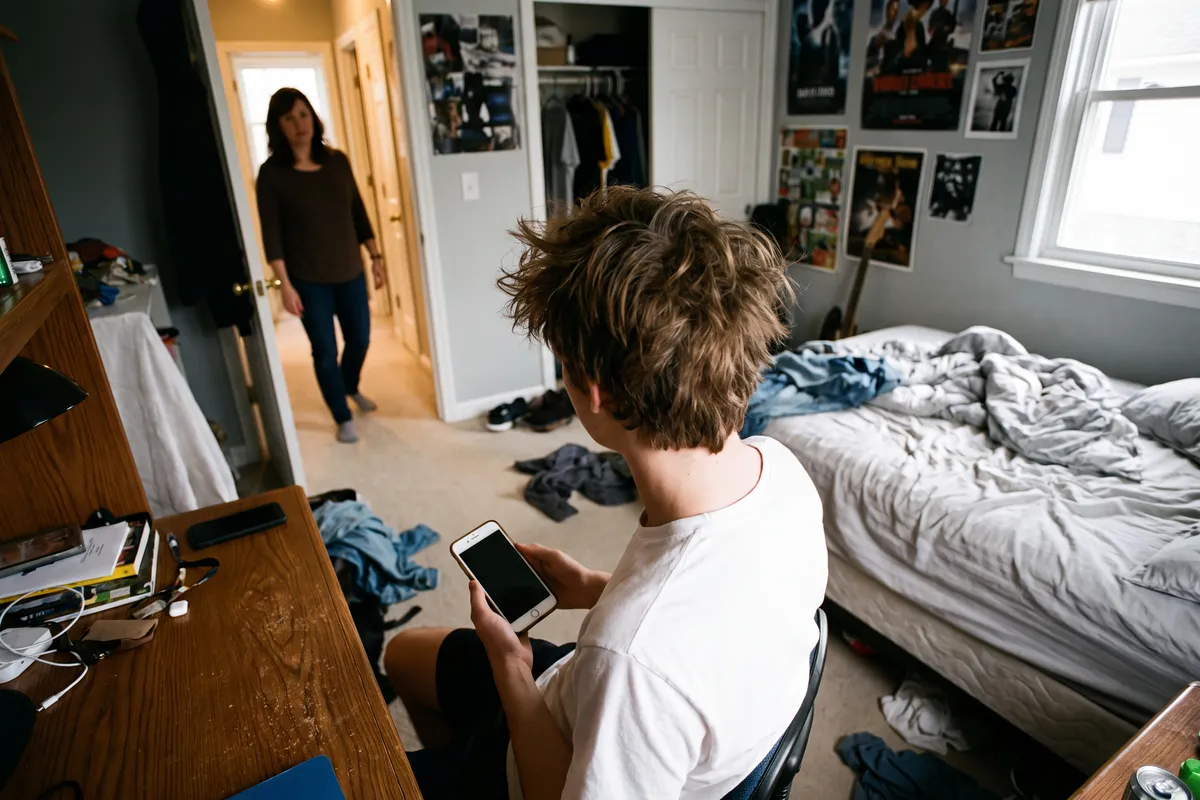

On Aug. 26, 2026, attorneys general from 47 states, the District of Columbia and three U.S. territories filed a proposed consent judgment with Meta Platforms Inc. in the U.S. District Court for the Northern District of California.
The plaintiffs alleged Meta used Facebook and Instagram to "entice, engage and ultimately ensnare" youth and teens while misleading the public about the dangers of its platforms. A trial began Aug. 18 before U.S. District Judge Yvonne Gonzalez Rogers, and the coalition announced the deal eight days later. Florida and New Mexico did not join the settlement, and Texas secured a separate deal with the company the same day worth more than $1 billion.
The allegations
The underlying complaint, filed Oct. 24, 2023, claimed Meta ignored the damage its platforms caused to young users, conduct the states say broke their consumer protection laws.
The filing also alleged Meta violated the Children's Online Privacy Protection Act, a federal law known as COPPA that restricts how companies collect data from children younger than age 13.
New default rules for teens on Facebook and Instagram
Most obligations take effect six months after a judge enters the judgment. Under the first phase, Meta must default teen accounts to:
- A two-hour daily cap across all Meta apps, excluding messaging, settings and video 22 minutes or longer
- A night access block from midnight to 6 a.m., excluding messaging
- No push notifications from 10 p.m. to 7 a.m. or on weekdays from 8 a.m. to 3 p.m. from Aug. 15 through June 15
- Pause prompts at 60 and 90 minutes of daily use plus a notice after every 15 minutes of continuous use
Only a parent enrolled in Meta's supervision tools can loosen those settings, and the first phase runs for five years. A stricter second phase, capping use at 60 minutes per app and moving the night block to 10 p.m., depends on Snap, TikTok and YouTube accepting equivalent obligations.
Age checks, feeds and filters
As part of the judgement, within one year, Meta must adopt an age assurance framework covering every user in the settling states. Commercially available methods can misidentify no more than 10% of 16- and 17-year-olds and 3% of 13- to 15-year-olds as adults. Meta must also build a prototype tool to identify users younger than age 13, according to the judgement.
Teen accounts will stop showing like and reaction counts and lose filters that mimic cosmetic surgery, the judgement states. Meta must also answer at least 90% of teen reports of harmful content within six hours and prompt teens to switch to a chronological feed limited to accounts they follow every 90 days.
Parents enrolled in supervision will receive alerts when their teen interacts with accounts Meta flags for financial blackmail involving intimate content and notice of repeated searches for suicide, self-harm or eating disorder terms. An independent auditor chosen by Meta and up to six attorney general offices reviews compliance across five reporting periods.
How much Meta pays
Meta must pay the settling states at least $12.1 billion, which includes 10 guaranteed installments of roughly $1.166 billion a year, or about $11.66 billion total, and a payment resolving Cambridge Analytica claims payment totals$459.3 million. Contingency installments could add $502.4 million a year, or about $5.02 billion, but those unlock only if competitors adopt matching time limits and comparable payment obligations.
Each state or territory receives a payment according to its population. California stands to collect $1.5 billion to $2.1 billion across the term, more than any other state, and Wyoming the least.
What the settlement means for Facebook and Instagram users
There is no payment to individual users. The judgement bars any private right of action, and the money goes to state attorneys general, who may spend it on the 988 Suicide & Crisis Lifeline, youth mental health programming and phone-free school zones.
Meta admits no wrongdoing. As of this writing, a judge has not yet approved the agreement.



.webp)
.webp)
.webp)

.webp)
.webp)
.webp)
.webp)





.svg)