.png)
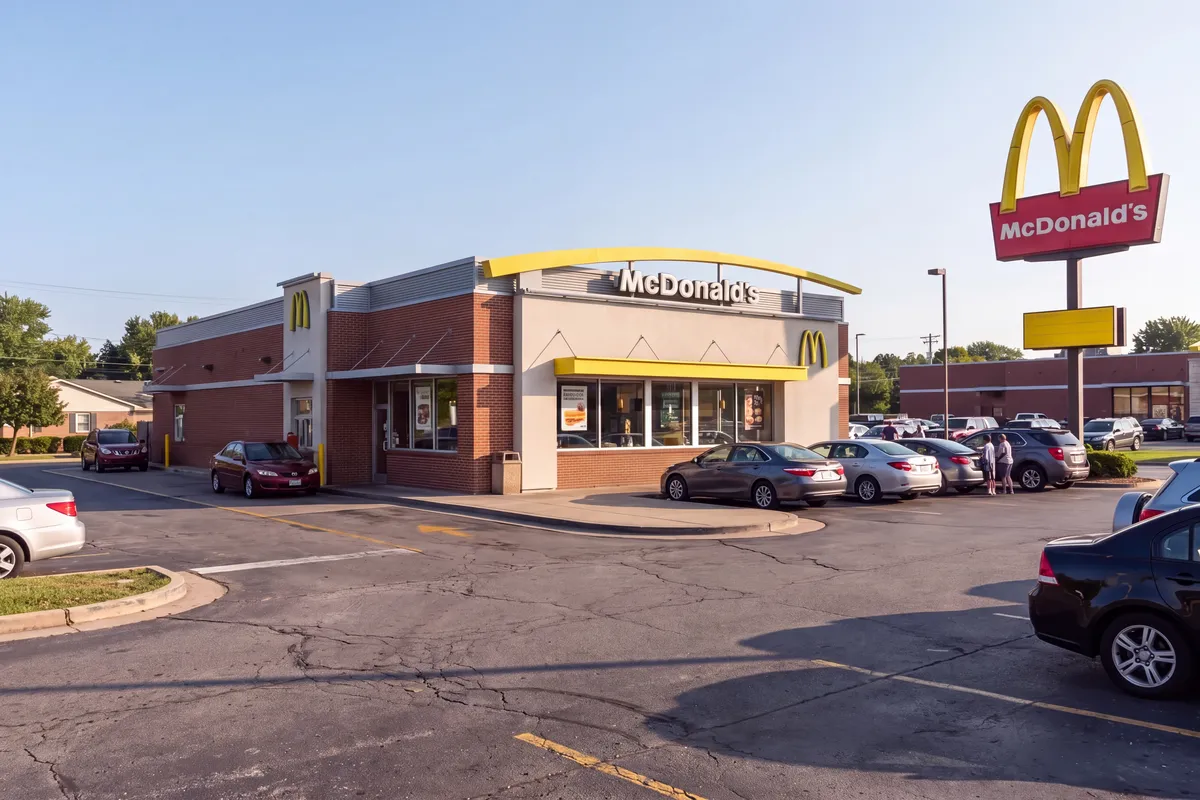

Michael Thomas filed a class action lawsuit on Oct. 2, 2026, against McDonald's USA LLC and McDonald's Corp. in the U.S. District Court for the Northern District of Illinois.
The lawsuit alleges McDonald's used an AI pricing tool that accessed franchisees' confidential sales data to coordinate menu prices among restaurants that should compete with each other.
Who sets McDonald's menu prices?
Independent franchisees own and operate about 95% of the roughly 14,000 McDonald's restaurants in the United States, the proposed class action claims. The company does not assign exclusive territories so they compete with each other and company-owned stores for the same customers, the lawsuit alleges.
In a May 2024 open letter, McDonald's told customers that franchisees set the menu prices at their restaurants.
How the pricing tool allegedly works
McDonald's bought the AI company Dynamic Yield for $300 million in 2019 and operated a centralized pricing tool ever since, the complaint claims. A required point-of-sale system sends each restaurant's sales data to McDonald's where the engine allegedly uses it to recommend item-level prices based partly on what local customers will pay.
The tool suggests raising an item's price once at least 30% of stores have already raised it, the lawsuit alleges.
It also contends McDonald's has required franchisees to use its approved pricing tools since January 2026, tracks owners who depart from the recommendations and weighs compliance when deciding whether to renew or expand their franchises.
Price increases and Thomas's claims
A May 2024 company fact sheet says that between 2019 and 2024, average menu prices rose about 40% and blames rising costs. The filing contends that increase is related to the pricing tool's rollout and cites annual reports crediting strategic menu price increases for profit growth.
Thomas claims he noticed different prices for the same items at nearby restaurants. He alleges the scheme made him pay more than he would have in a market where franchisees set prices independently.
The legal claims
The lawsuit brings four claims:
- Sherman Act, Section 1 (price-fixing), which bans agreements among competitors to fix prices
- Sherman Act, Section 1 (information exchange), which targets the pooling of competitors' sales data
- Illinois Antitrust Act, which is for the Illinois subclass
- Illinois Consumer Fraud and Deceptive Business Practices Act, which bars unfair business practices
Thomas seeks triple damages under applicable antitrust laws, refunds of money the company allegedly gained, a court order ending the pricing arrangement and payment of his legal fees.
What the lawsuit means for McDonald's customers
The proposed nationwide class covers anyone in the United States who bought menu items at any McDonald's, and a separate subclass covers Illinois residents.
As of this writing, there is no settlement, no claims process and no money available.





.webp)
.webp)
.webp)

.webp)
.webp)
.webp)
.webp)



.svg)