
On Oct. 20, 2026, Deborah Brucker filed a class action lawsuit against Levi Strauss & Co. in the U.S. District Court for the Northern District of California.
The complaint alleges Levi raised prices to cover tariffs the Supreme Court later struck down then kept the government's refund instead of returning the money to customers.
The alleged tariff price increases
Throughout 2025, Levi executives told investors they were raising prices on select products to offset tariffs, the lawsuit claims. CEO Michelle Gass said there was only so much of the tariff cost the company could absorb, and management reported in April 2026 that the higher prices had not hurt demand.
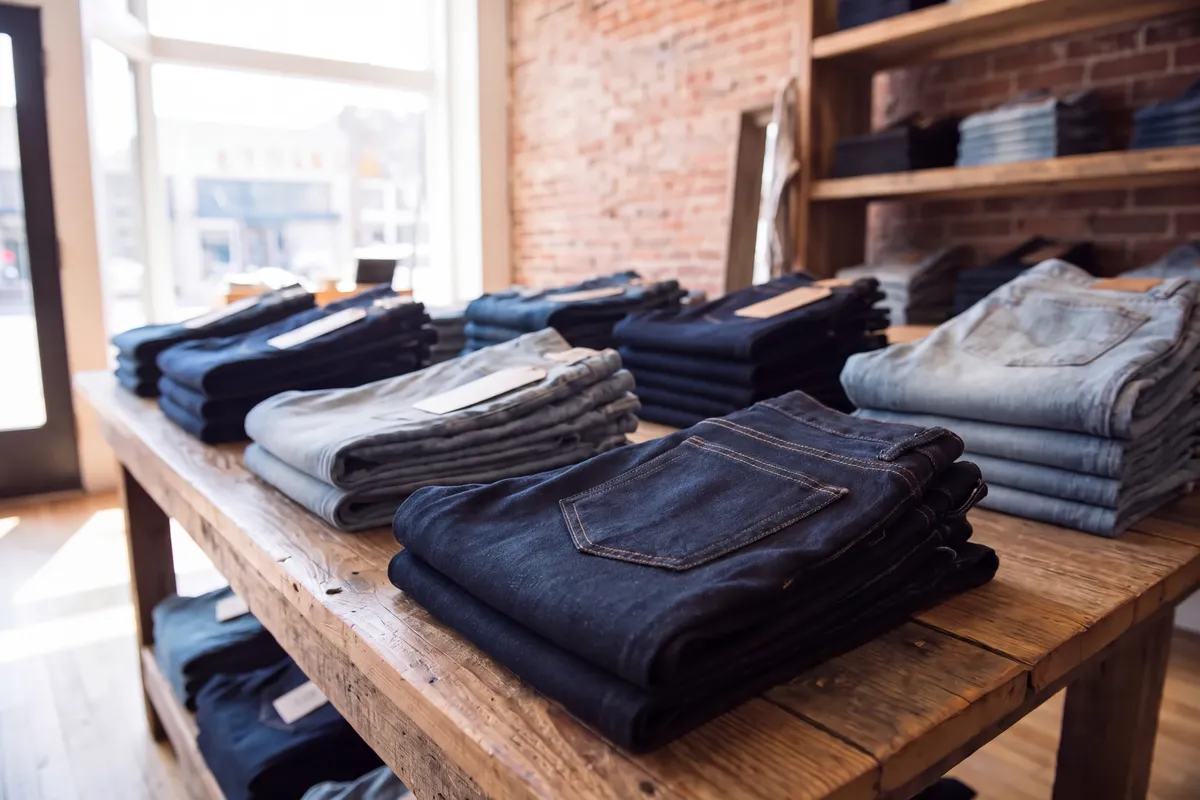
The biggest increases allegedly affected higher-end styles with smaller ones on entry-level jeans. Examples cited in the complaint include $10 more for Ribcage Straight Ankle women's jeans and $5 more for original-fit men's jeans. However, the company never told shoppers it raised prices or why, and it has kept the higher prices since the tariffs ended, the lawsuit contends.
Brucker, a longtime customer, claims she paid one of those higher prices for a pair of 501 jeans and has not received a refund or credit.
What led to the refund
After the Supreme Court ruled against the tariffs in February 2026, Levi sought a refund of the roughly $80 million it paid, the proposed class action alleges. The company reported receiving $79 million in refunds plus $5 million in interest on Oct. 7, 2026.
In July 2026, when an analyst asked what Levi planned to do with the money, management reportedly said it had not figured that out yet, the filing contends.
The legal claims
The plaintiff claims Levi stands to recover the same tariff costs twice: once from shoppers and once from the government. She brings four claims:
- Unjust enrichment, which seeks to stop the company from keeping money it collected unfairly
- Money had and received, which is an older claim for recovering money that belongs to someone else
- California's Unfair Competition Law, which bars unfair and fraudulent business practices
- Fraudulent misrepresentation, which claims the company cited tariffs to justify higher prices without saying it would keep any refund
The lawsuit seeks repayment of the tariff portion of class members' purchases plus compensation and extra damages meant to punish the company. It also asks the court to set aside the tariff refunds for consumers while the case proceeds.
What the lawsuit means for Levi's shoppers
The proposed class covers people in the United States who bought a Levi's product for personal use between Feb. 4, 2025, and Feb. 24, 2026, if the company raised that product's price during that period, with a subclass for California buyers.
There is no settlement, no claims process and no money available at this time.