.png)
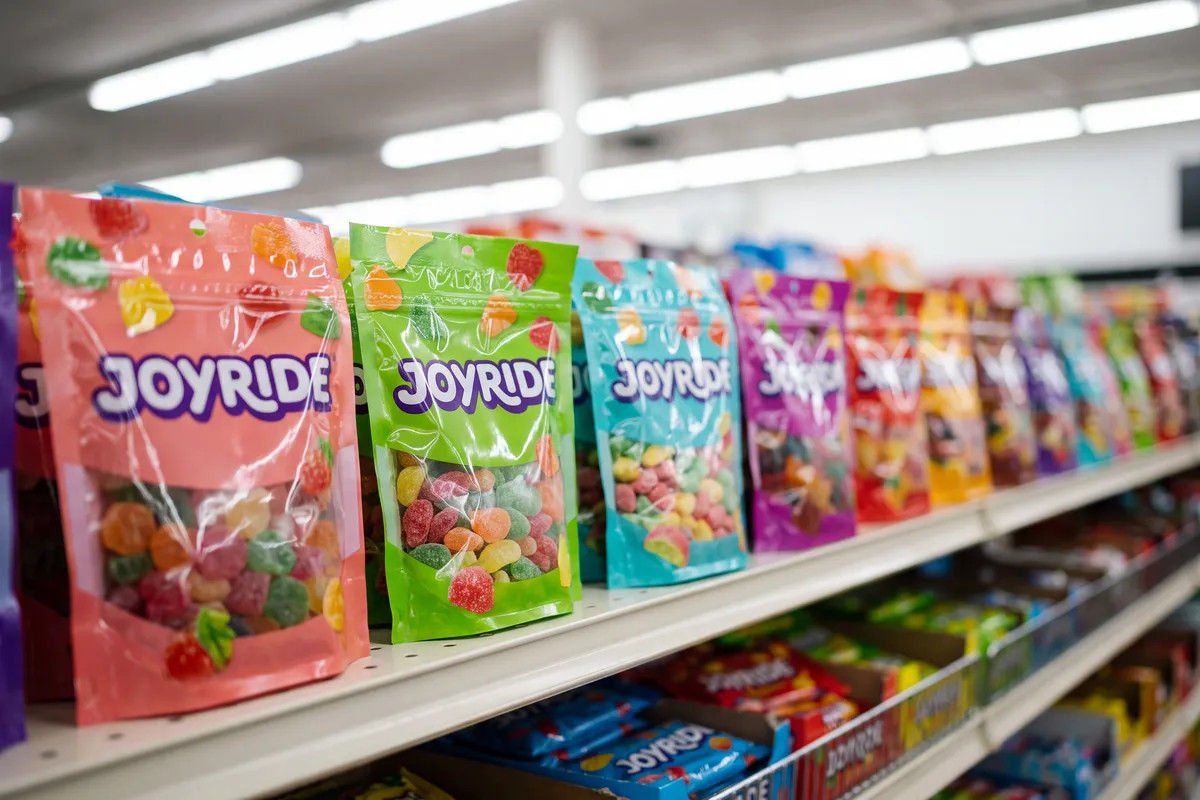

On Sept. 9, 2026, Chicago resident Aretha Edwards filed a class action lawsuit against Project 7 Inc., the Austin, Texas-based company behind Joyride candy, in the U.S. District Court for the Northern District of Illinois.
The complaint claims allulose, a sugar under federal labeling rules, is the first-listed and predominant ingredient in candy that Project 7 markets as "Sugar Free," "Zero Sugar" and "0 Sugar."
The products behind the lawsuit
Project 7 sells Joyride gummy worms, gummy bears, fruit gummies and licorice twists at Target, Walmart and grocery stores nationwide. The same claims appear in the company's online marketing, the suit says, including a Walmart listing that promotes the candy as sugar free and "the lowest net carbs on the market."
Edwards says she relied on the zero-sugar claim printed on the front of the bag when buying Joyride Sour Peachy Mango Rings at a Target store in Chicago, paid a price premium because of it and would not have bought the candy otherwise. Depending on the variety, the back of the package reportedly discloses either eight or 13 grams of allulose per serving.
Why the complaint calls allulose a sugar
Food and Drug Administration regulations define total sugars as "the sum of all free mono- and disaccharides." Allulose is a monosaccharide, and Edwards contends that places it inside the definition.
A separate rule permits a sugar-free claim only when a food contains less than 0.5 grams of sugar per serving. At 13 grams per serving, some Joyride varieties carry more than 26 times that limit, the lawsuit says.
The complaint also points to a July 2026 Seventh Circuit decision it describes as confirming allulose is a sugar under those regulations. Decisions from that circuit bind the federal courts in Illinois, where Edwards filed.
The Nutrition Facts panel is part of the claim
The panel on the back of the bag is the class action's second target. It reportedly declares zero grams of total sugars, a figure that leaves shoppers no practical way to spot the problem, the complaint contends, because the panel appears to confirm the front label rather than contradict it.
Allulose can cause nausea, bloating, diarrhea and abdominal pain, the filing says, adding that Joyride packaging carries no warning about those effects.
The legal claims
Edwards brings three claims against Project 7, all tied to the zero-sugar labeling:
- State consumer fraud statutes, which bar deceptive business practices across the eight states covered by the proposed class
- Illinois Consumer Fraud and Deceptive Business Practices Act, a state law prohibiting unfair or deceptive acts in trade or commerce
- Unjust enrichment, a legal theory that applies when a company keeps profits it gained through an unfair practice
The complaint separately alleges the labels misbrand the products under the Illinois Food, Drug and Cosmetic Act, which adopts federal labeling standards by reference. Edwards seeks actual, statutory and punitive damages, restitution, disgorgement of profits, attorneys' fees and interest.
What the case means for Joyride buyers
The lawsuit proposes two groups of consumers: Illinois residents who bought Joyride zero-sugar products for personal use, and a broader multi-state class covering buyers in Illinois, Massachusetts, Michigan, Minnesota, Missouri, New Jersey, New York and Washington.
No settlement exists, no claims process is open and no money is available to consumers at this stage.




.webp)
.webp)
.webp)

.webp)
.webp)
.webp)
.webp)




.svg)