.png)
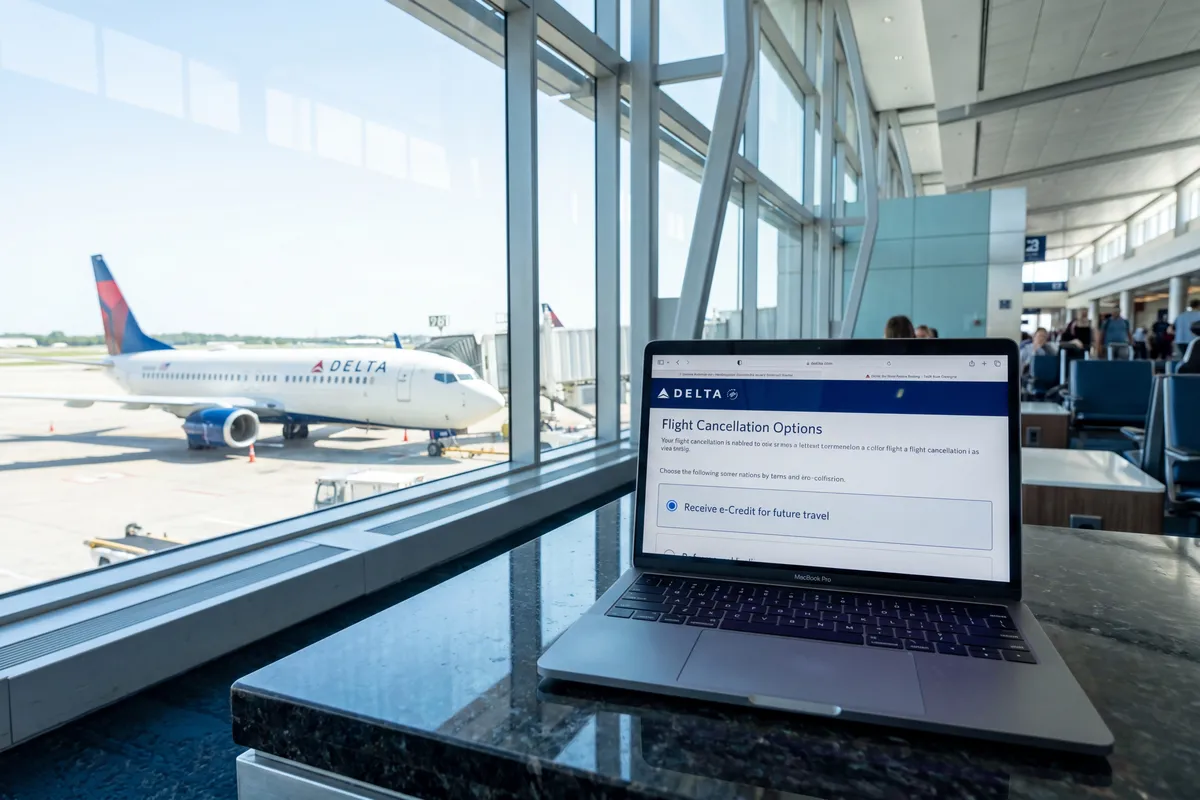

A Brooklyn resident filed a class action lawsuit against Delta Air Lines, alleging the carrier used deceptive digital design to push customers toward expiring airline credits instead of the cash refunds it contractually promised.
Plaintiff Svetlana Sky brought the case, filed May 1, 2026, in the U.S. District Court for the Eastern District of New York.
According to the complaint, when a customer reaches Delta's cancellation page, the default selection is to receive a Delta eCredit. The site places the alternative option, a refund to the original credit card or debit card used at the time of purchase, below the visible portion of the screen. To see the refund option, the customer reportedly must scroll down and actively change the selection.
The design is especially effective because most consumers do not scroll before clicking through a form, according to the complaint. On smaller screens (including smartphones, tablets and browser windows that do not fill a full monitor), the lawsuit claims the refund option may be invisible unless the user knows to look for it. The complaint alleges that a reasonable consumer could complete the entire cancellation process without ever seeing the option to receive their money back to their original payment method.
The suit joins a slew of recent litigation that consumer researchers and federal regulators call "dark patterns," a design feature embedded in a digital product that subtly guides users toward choices that benefit the company rather than the consumer.
Delta's offerings and policies
Delta Air Lines advertises that it offers passengers flexibility when choosing their ticket types, including what it markets as "fully refundable" fares. The airline prices thoose fares at a substantial premium over nonrefundable tickets, according to the lawsuit.
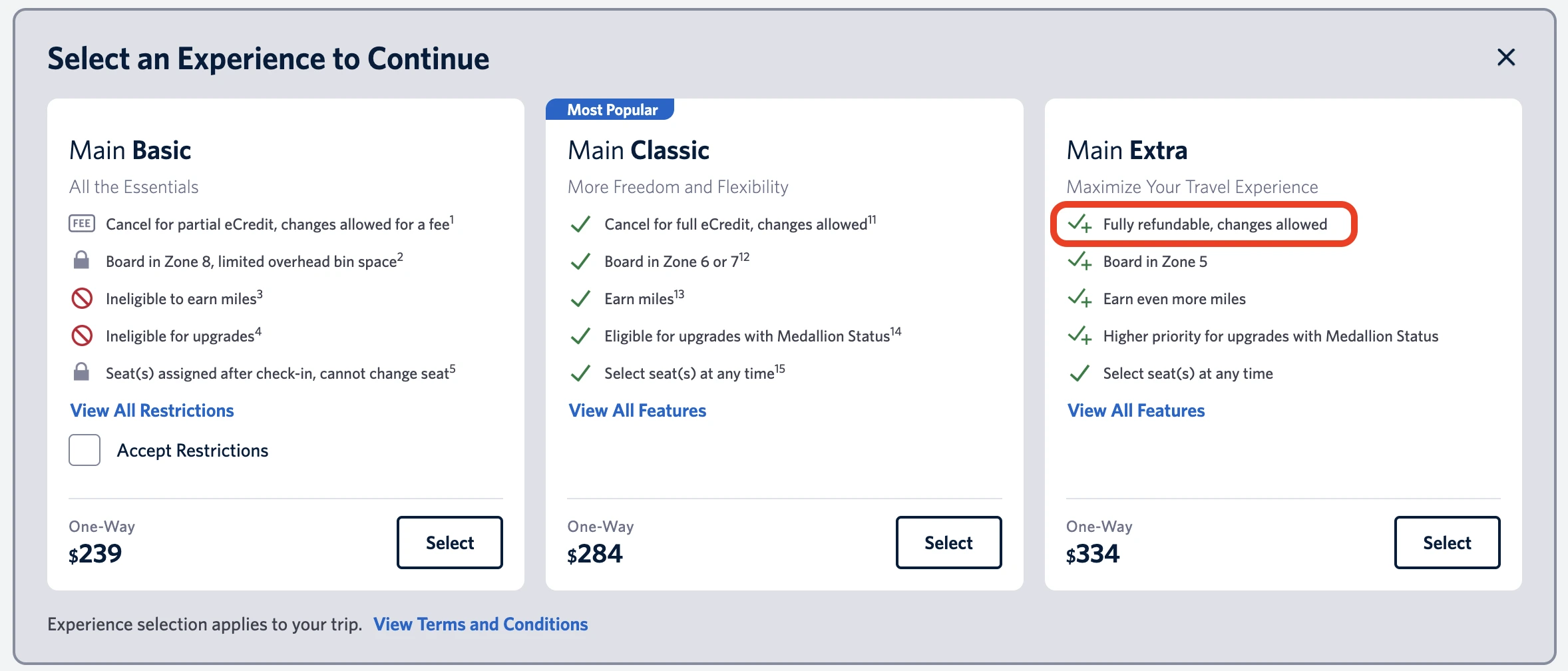
Delta's contract of carriage is the legally binding document governing the airline's relationship with its passengers. According to the complaint, that contract explicitly states the company will refund fully refundable tickets to the customer's original form of payment upon request. The lawsuit alleges that Delta's online cancellation interface makes it all but impossible for most customers to exercise that right.
According to the complaint, the FTC classifies preselection defaults of this kind as illegal "asymmetric choices" that constitute dark patterns. In September 2022, the FTC published a report documenting the growing use of dark patterns across industries and warning that such tactics undermine consumers' ability to make genuine, informed choices.
eCredits differ from cash refunds
Sky's complaint claims the harm to consumers is not merely inconvenient but financially significant. The complaint alleges a Delta eCredit is not the same as a cash refund because:
- Customers can only use them for future Delta travel.
- They carry no cash value.
- Customers cannot transfer them.
- They expire one year after issuance.
What does this mean for Delta flyers?
Sky's complaint brings five legal claims against Delta, including breach of contract and negligent misrepresentation. The lawsuit cites New York General Business Law, which prohibits deceptive business practices and false advertising.
The proposed class is broad. The nationwide class would include all U.S. consumers who purchased a fully refundable Delta ticket during the applicable "limitations period" and received eCredits instead of a refund to their original payment method upon cancellation. A New York subclass would apply to those same consumers residing in New York state.
Delta faced legal scrutiny over its handling of passenger refunds before. Following a global technology outage in July 2024 that disrupted thousands of flights, a separate class action lawsuit alleged Delta refused to issue cash refunds and instead pushed travel credits on affected passengers.






.webp)
.webp)
.webp)

.webp)
.webp)
.webp)
.webp)






.svg)