.png)
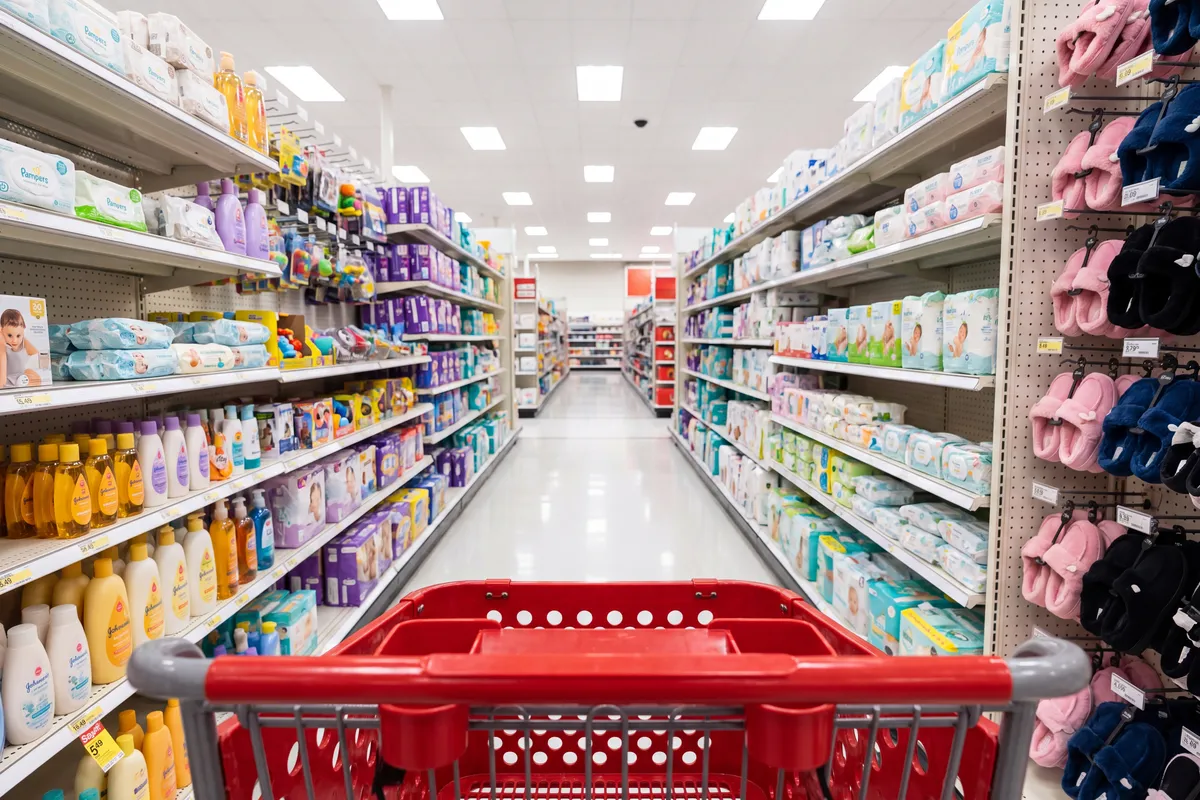

On Sept. 25, 2026, Lissa Bernardo Lising and Carly Amundson filed a class action lawsuit against Target Corp. in the U.S. District Court for the District of Minnesota.
The lawsuit alleges Target raised prices to cover 2025 import tariffs then kept a $994 million government refund of those same tariffs without returning the extra money to shoppers.
The tariffs
Starting in February 2025, President Donald Trump imposed tariffs on imports from nearly every country under the International Emergency Economic Powers Act.
On Feb. 20, 2026, the U.S. Supreme Court ruled the law does not let the president impose tariffs. In April 2026, the Court of International Trade directed U.S. Customs and Border Protection to refund the duties.
The allegations
About half of Target's merchandise comes from outside the United States with China as its largest source, the lawsuit claims. The retailer serves as the importer of record for most of its owned-brand products, which means it paid the tariff duties directly, according to the proposed class action.
The complaint says company executives acknowledged raising prices in response to the tariffs. In May 2025, Chief Commercial Officer Rick Gomez told investors Target adjusted prices where necessary to address the tariffs.
Lising and Amundson allegedly paid those higher prices on everyday items, such as baby wipes, earbuds and children's clothing. They claim they would have paid less or not purchased the items had they known Target would keep the surcharges.
The refund
Target's chief financial officer, Jim Lee, said in May 2026 that the company was working through the refund process process, the lawsuit alleges. On Aug. 19, 2026, Target announced it received a $994 million refund for the tariffs it paid.
FedEx and UPS both publicly committed to passing their tariff refunds back to the customers who paid the charges. Target, by contrast, has not returned surcharges or said it plans to, the proposed class action claims.
The legal claims
The lawsuit brings three claims:
- Money had and received, which requires a party to return money that rightfully belongs to someone else
- Unjust enrichment, which targets a company that benefits unfairly at its customers' expense
- Declaratory relief under 28 U.S.C. § 2201, which asks the court to rule that keeping the surcharges is unlawful
The plaintiffs seek restitution, damages, disgorgement of profits, an injunction and attorneys' fees.
What the lawsuit means for Target shoppers
The proposed class includes any individual in the United States who bought a Target product with a tariff surcharge on or after Feb. 1, 2025.
As of this writing, there is no settlement, no claims process and no money available.




.webp)
.webp)
.webp)

.webp)
.webp)
.webp)
.webp)




.svg)