.png)
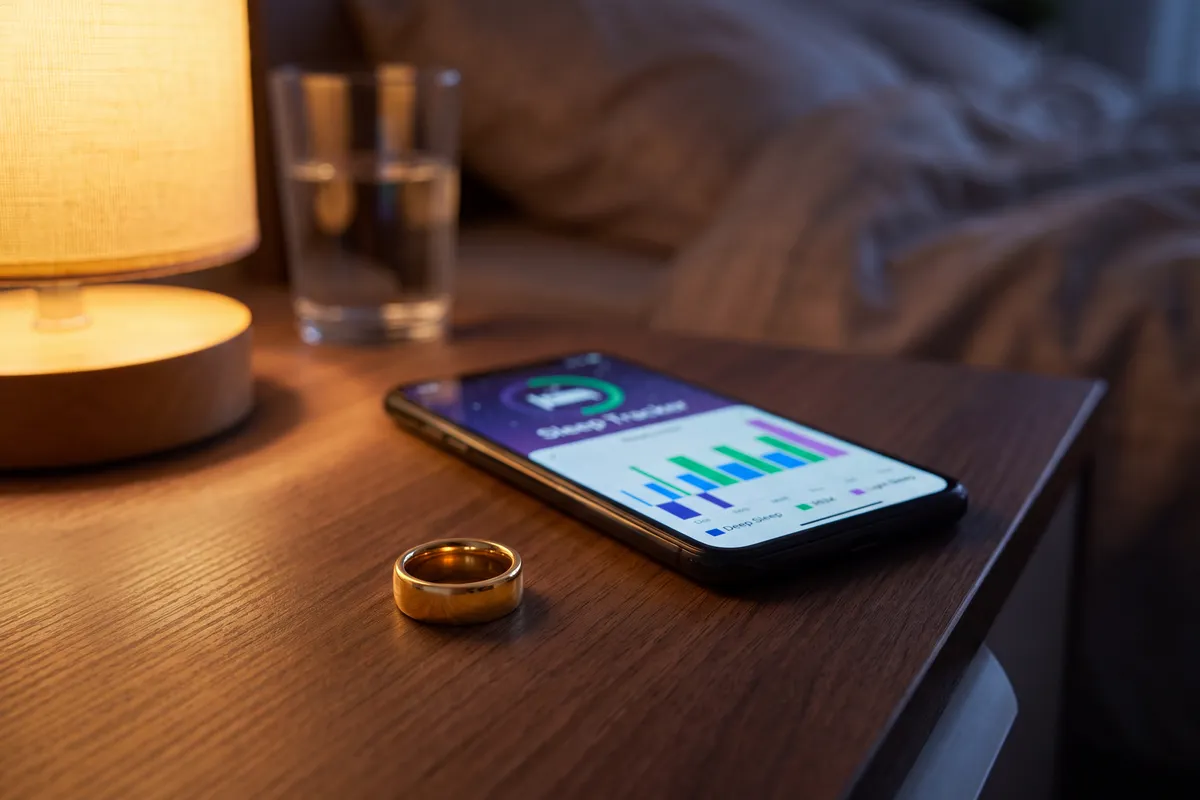

On Aug. 20, 2026, Madison Surber filed a class action lawsuit against Oura Inc. and Oura Health Oy, the makers of the Oura Ring, in the U.S. District Court for the Northern District of California.
The suit alleges Oura sold rings on a promise of clinical-grade sleep stage tracking that the hardware cannot deliver.
The allegations
Clinicians measure sleep stages using polysomnography, an overnight test that reads brain waves, eye movements, muscle tone and heart signals through electrodes on the scalp, around the eyes and under the chin, according to the proposed class action. Those signals define the stages.
The Oura Ring does not have sensors like polysomnography, the lawsuit claims. Instead, it reportedly infers stages, from heart rate, movement, skin temperature and blood oxygen.
Additionally, Oura advertised 79% agreement with gold-standard polysomnography and, more recently, 95% sleep staging accuracy compared with a clinical sleep lab, the complaint alleges. However, Oura's technical blog states that using the ring "is not the same as a PSG (as it does not measure electrical brain activity or eye movements)."
Surber says she paid roughly $513.68 for an Oura Ring 4 Gold in May 2025 yet the ring could not track her sleep hours, wake times or sleep quality.
What the studies found
One study published in Nature followed 45 patients across 45 nights and put the ring's sleep stage accuracy at 53.18% with the device undercounting light and deep sleep and overcounting REM by roughly half an hour a night. Researchers at the University of Massachusetts reached a similar conclusion, with accuracy falling further in older adults.
Oura's own self-funded study found the ring underestimates REM time and can be unreliable depending on how long a wearer spends in a given stage, according to the filing.
The legal claims
The lawsuit brings seven claims:
- Fraud by misrepresentation, over the advertised accuracy figures
- California Consumers Legal Remedies Act, which bars marketing goods as having traits they do not have
- California's False Advertising Law, covering untrue or misleading advertising
- California's Unfair Competition Law, which the filing brings under all three of its prongs
- Breach of express warranty, over the specific promises Oura made in its advertising
- Song-Beverly Consumer Warranty Act, California's implied warranty law, which requires goods to work for the purpose they are sold for
- Unjust enrichment, over the purchase price buyers paid
Surber's counsel reportedly sent Oura a demand letter in March 2026 under the Consumers Legal Remedies Act. The company allegedly took no adequate corrective action.
What the case means for Oura buyers
The proposed class covers everyone who bought the rings in the United States with a separate California subclass. Surber seeks restitution, disgorgement, punitive damages and an order forcing Oura to stop the accuracy claims and run corrective advertising. As of this writing there is no settlement, no claims process and no money available.

.webp)
.webp)
.webp)

.webp)
.webp)
.webp)
.webp)




.svg)