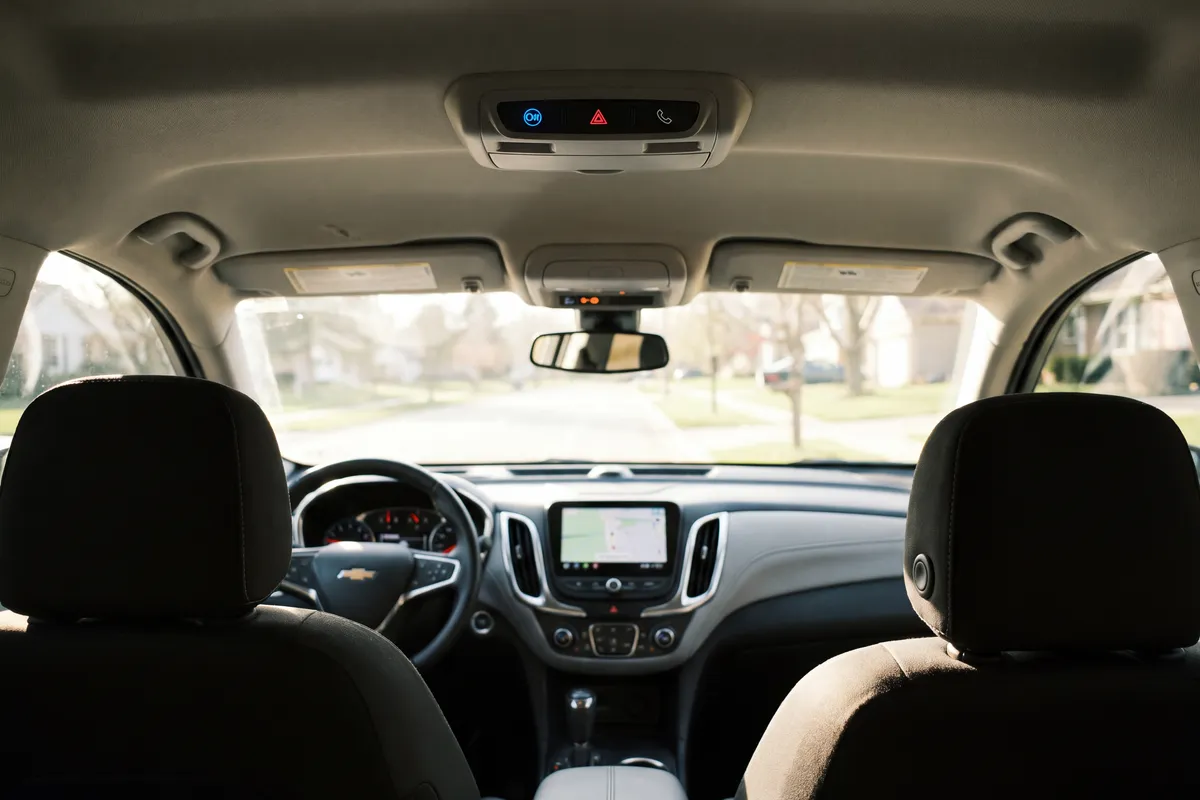

On Oct. 29, 2026, a coalition of 36 attorneys general led by Washington and Oregon announced a $220 million settlement with General Motors and its OnStar subsidiary.
The states alleged GM sold drivers' locations and driving behavior data to companies that built reports for auto insurers without telling drivers.
The alleged data sales
GM launched Smart Driver in 2015 as part of OnStar and promoted it as a way to help drivers improve their habits, according to the proposed class action. The program tracked hard braking, hard acceleration, speeding, seat belt use, late-night driving and trip times, the states' complaint says.
That same year, GM allegedly began selling the data to Verisk Analytics and, in 2019 to LexisNexis Risk Solutions, the filing claims. It contends both companies used it to build driver ratings they sold to insurers, who used them to set rates.
The states claim GM told drivers it would only share anonymous data with insurers through a separate discount program they had to join. Instead, GM allegedly sold identifiable data from every Smart Driver account and made more than $20 million, according to the lawsuit. It also alleges GM collected precise vehicle locations every three seconds from millions of vehicles and licensed that data to other companies.
Most Smart Driver signups happened at dealerships where GM paid staff incentives tied to enrollments, the complaint claims. In many cases, dealership employees reportedly accepted the terms for customers without their consent.
GM's apps also told more than 370,000 drivers they had not signed up for Smart Driver yet the company collected and sold their data, the states allege. GM ended the program in April 2024 after a New York Times report on the data sales.
What GM must change
Each state brought claims under its own consumer protection law, such as Washington's consumer protection act, which bars unfair or deceptive business practices.
Under the settlement, GM must receive drivers' clear, deliberate consent before collecting or sharing driving and location data. A pre-checked box, silence or acceptance of broad terms of service does not count, and GM must tell drivers when their data may affect insurance rates.
GM must also delete driving data it kept from before Jan. 16, 2025, with exceptions for safety, warranty and legal needs, and ask the companies that received it to do the same. Most of the requirements last until January 2046.
Drivers must be able to turn off location tracking and decline OnStar, which stops GM's remote data collection from the vehicle except for safety and other limited uses.
The automaker may email drivers to ask permission to keep their older data, but it must delete the data of anyone who does not respond within 30 days. Drivers can also request a copy of their data and a list of the types of companies that received it.
GM did not admit wrongdoing as part of the settlement.
The deal follows a Federal Trade Commission order from January 2026 that bars GM from sharing drivers' location and driving data with consumer reporting agencies for five years and a separate $12.75 million settlement with California in May 2026.
What the settlement means for GM drivers
The $220 million goes to the participating states and not to individual drivers. There is no claims process and no money available to drivers at this time.