.png)
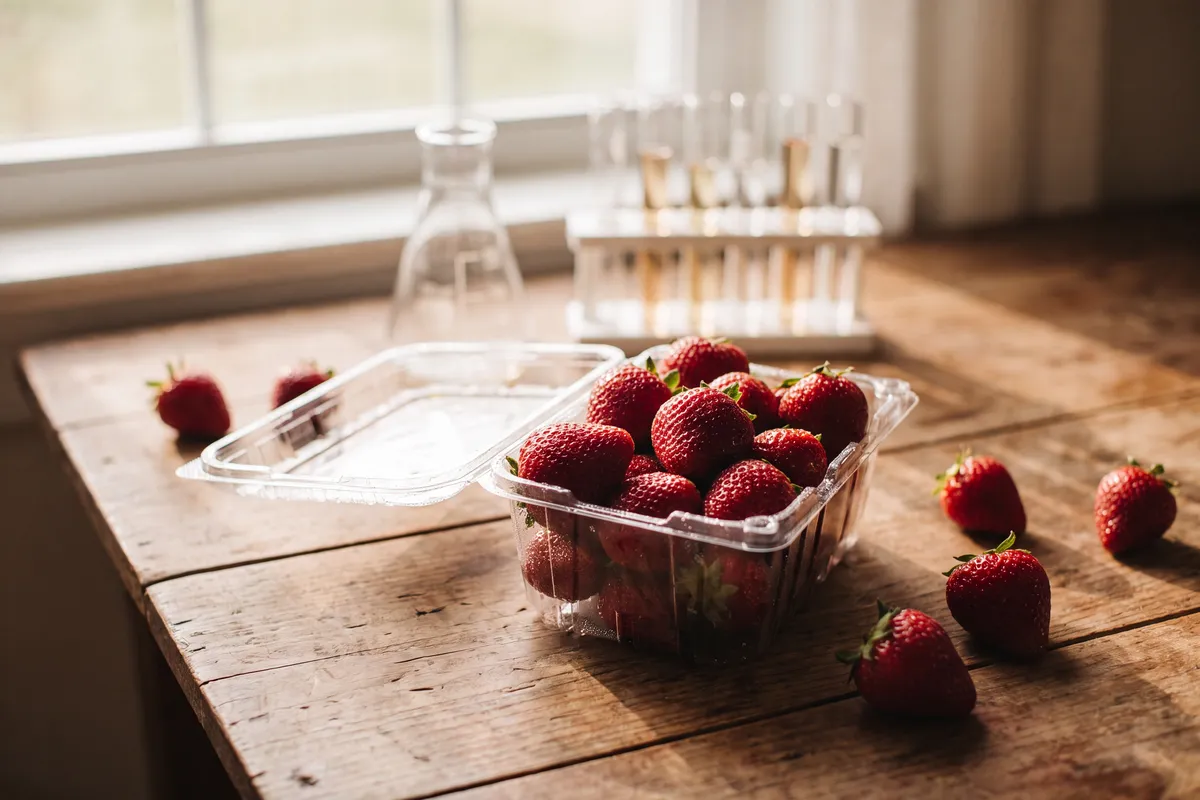

Six shoppers across four states filed a class action lawsuit against Driscoll's on June 26, 2026, in the U.S. District Court for the Northern District of California, alleging the world's largest berry company sold conventional strawberries carrying per- and polyfluoroalkyl substances known as "forever chemicals" despite marketing them as safe, premium and sustainably grown.
The class action lawsuit's claims
Driscoll's built a premium brand on its trademarked "only the finest berries" slogan and marketing that casts the fruit as safe, naturally grown and sustainably farmed, the lawsuit claims. It alleges the company engages in greenwashing by making misleading environmental claims to win over shoppers.
The plaintiffs say they regularly bought Driscoll's conventional strawberries and learned of the alleged PFAS contamination through news and social media in spring 2026.
The plaintiffs contend the Driscoll's marketing messages implied the berries were free of persistent fluorinated compounds. They say they paid a premium and would not have bought the strawberries or would have paid less had they known.
The testing and whistleblower behind the lawsuit
The class action cites lab testing that consumer advocacy group Mamavation publicized in May 2026 that found residues of 12 pesticides on Driscoll's conventional strawberries, eight of them PFAS forever chemicals. The complaint claims several of the pesticides topped the limits allowed in the European Union, Russia, Taiwan and Chile..
The eight forever pesticides reportedly found include:
- Flonicamid: 32 parts per billion
- Fludioxonil: 60 ppb
- Flupyradifurone: 27 ppb
- Fluxapyroxad: 26 ppb
- Indoxacarb: 25 ppb
- Novaluron: 19 ppb
- Tetraconazole: 13 ppb
- TFNG: 35 ppb
Driscoll's publicly disputed the report, saying it and its growers operate in full compliance with U.S. pesticide and food-safety rules and the berries are safe to eat.
The case also highlights a separate whistleblower suit that David Harada, Driscoll's former U.S. and Canada food safety compliance manager, filed two days before the plaintiffs filed this one in Ventura County Superior Court. He alleges management knew about pesticide compliance problems but told staff to protect the brand and preserve plausible deniability instead of fixing them. He also claims Driscoll's fired him after he refused to conceal the issues.
The legal claims
The suit proposes a class for each of four states under that state's consumer protection law:
- Illinois Consumer Fraud and Deceptive Practices Act, which bars deceptive and unfair business practices
- New York General Business Law Sections 349 and 350, which bans deceptive practices and false advertising
- New Jersey Consumer Fraud Act, which prohibits deception and knowing omissions in consumer sales
- Massachusetts Chapter 93A, which bans unfair or deceptive acts in trade
The complaint also argues Driscoll's broke the Federal Trade Commission's Green Guides, which police environmental marketing claims.
What the case means for strawberry buyers
The classes cover consumers who bought Driscoll's conventional strawberries in those four states. The plaintiffs ask the court to stop Driscoll's from selling the conventional berries until it removes the PFAS or discloses it, and they seek a corrective ad campaign, restitution, disgorged profits and punitive damages.
For now, there is no settlement, no claims process and no money to collect. No court has certified a class, and the allegations remain unproven. All six plaintiffs say they would buy Driscoll's strawberries again if the company cleans up the product or discloses what is in it.





.webp)
.webp)
.webp)

.webp)
.webp)
.webp)
.webp)





.svg)