.png)
Cleo AI fees and interest rate lawsuit investigation
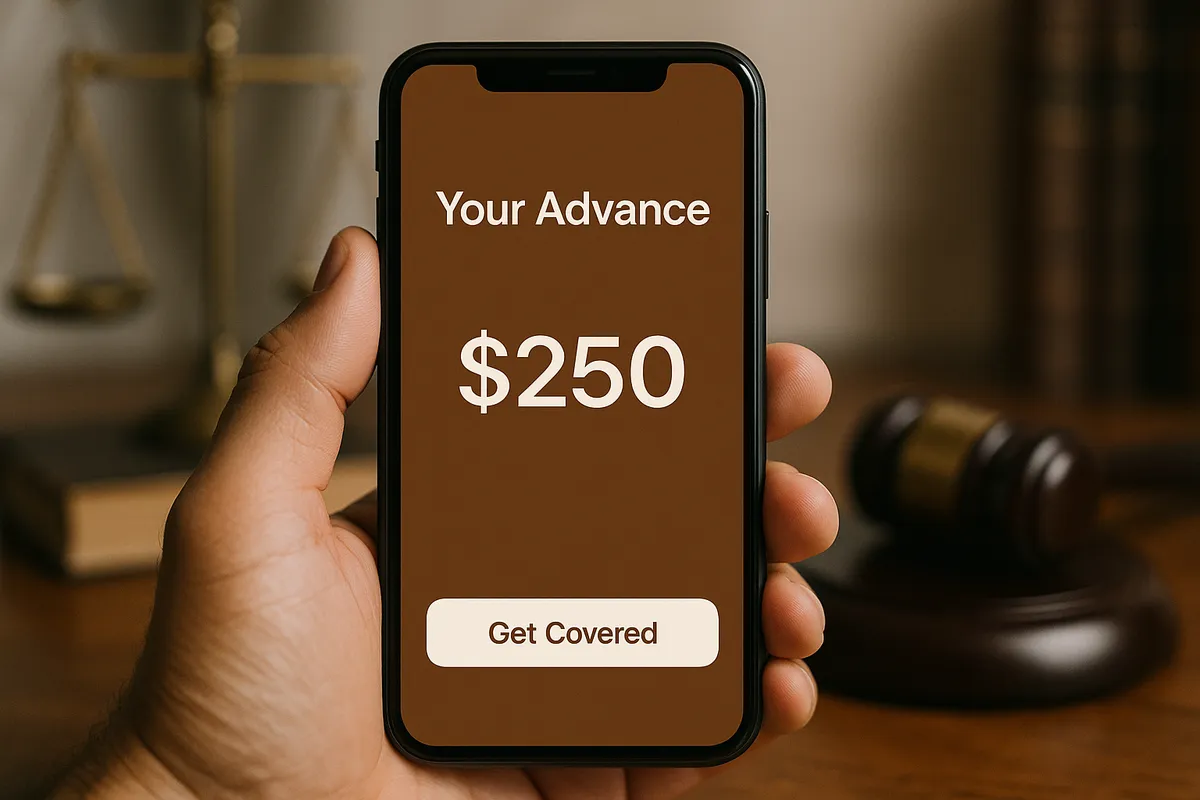
Shamis & Gentile P.A., one of the nation's premier class action law firms with a primary focus in arbitration cases, is investigating potential claims against Cleo.
If you have a dispute with the company, you may be eligible for compensation through arbitration.
About Cleo
Cleo AI Inc. is a financial technology company that offers a personal finance app branded as “Cleo.” Launched in 2016, Cleo positions itself as an AI-powered money assistant.
By 2024, Cleo reported millions of users and significant venture funding, including an $80 million Series C round that valued the company at approximately $500 million.
Why is Cleo being investigated?
In March 2025, the Federal Trade Commission (FTC) filed a lawsuit in federal court against Cleo AI Inc., alleging that the company engaged in deceptive and unlawful practices related to its cash advance and subscription services. Cleo later agreed to a proposed settlement that includes a monetary payment and a permanent court order restricting certain practices.
According to the FTC’s complaint and settlement filings, Cleo allegedly:
- Misrepresented cash advance amounts
- Cleo widely advertised “up to $250” cash advances for Cleo Plus subscribers and “up to $500” for Cleo Builder subscribers, often using phrases like “$250 spot” and emphasizing “hundreds of dollars” available.
- Internally, Cleo allegedly limited first-time users to $100 or less, and the vast majority of users received far smaller amounts than advertised.
- Between the time Cleo began promoting $250 advances (around March 2023) and when it learned of the FTC investigation, only about 0.3% of Cleo Plus users who received an advance got the full $250. Most Plus users allegedly received under $45, and most Builder users under $60.
- For the advertised $500 Builder advance, only about 0.01% of Builder users who took extra steps (such as obtaining a Cleo credit card and setting up direct deposit) allegedly received $500.
- Misrepresented the timing of “instant” or “today” advances
- Cleo’s ads and in-app messages promised money “instantly,” “today” or “same day,” often suggesting that consumers could rely on Cleo in emergencies.
- In practice, standard advances could take 3 to 4 business days to arrive.
- To attempt to get money “today,” consumers allegedly had to pay an additional “express” fee (often around $3.99 to $9.99), and even then the funds could take up to 24 hours and sometimes did not arrive the same day.
- Many consumers reported that they paid for “instant” or “immediate” funds but still had to wait, leaving them without money for essentials like rent, food or gas.
- Failed to clearly disclose key terms before charging
- The FTC alleges that Cleo did not clearly and conspicuously disclose important limitations before collecting consumers’ billing information, including:
- That most users would qualify for much smaller advances than the advertised “up to” amounts
- That “instant” or “today” funding required an extra fee and might still not be same-day
- In some app flows, fine-print or lightly colored footnotes mentioned ranges like $20–$250 or $20–$100 for first-time users, but these disclosures were allegedly inconsistent and not prominent enough to correct the overall impression created by the marketing.
- The FTC alleges that Cleo did not clearly and conspicuously disclose important limitations before collecting consumers’ billing information, including:
- Made it difficult or impossible for some users to cancel subscriptions
- Until at least late 2023, Cleo allegedly blocked users with outstanding cash advance balances from canceling their Cleo Plus or Cleo Builder subscriptions through the app.
- Consumers who contacted customer service were allegedly told they could not cancel while an advance was “active” or “overdue,” or that the “system” would not allow cancellation.
- As a result, some consumers say they were charged month after month for subscriptions they no longer wanted, even after repeatedly requesting cancellation.
Despite the FTC action and proposed refunds, many consumers may still have individual financial losses and legal claims that are not fully addressed by the government case. That is where mass arbitration may come in.
Your Rights and Next Steps
If you used Cleo’s app, Cleo Plus or Cleo Builder and feel you were misled, overcharged or blocked from canceling, you may have important legal rights. A team of lawyers is evaluating whether consumers can pursue arbitration claims against Cleo to seek additional compensation beyond what the FTC settlement may provide.
Every case is fact-specific. Even if someone already received or expects to receive money from the FTC’s refund process, they may still have separate rights against Cleo.
If you used Cleo and experienced any of the following, you may want to explore a potential claim:
- You signed up after seeing promises of “up to $250” or “up to $500” but were only offered a much smaller advance
- You paid for Cleo Plus or Cleo Builder and feel the cash advance feature did not match what was advertised
- You paid an extra fee for “instant” or “today” money that did not arrive when you needed it
- You tried to cancel but were told you could not cancel while an advance was outstanding, or you were charged after asking to cancel
- You incurred overdraft fees, late fees or other financial harm tied to Cleo’s advances or subscriptions
A team of lawyers is reviewing these issues and evaluating whether consumers can pursue arbitration claims against Cleo. To find out if you may qualify and to have your situation reviewed, please complete the form on this page.


.svg)