

Christian Mosquera filed a class action lawsuit against Opal OS Corp., the company behind the Opal screen time app, in California federal court on Nov. 5, 2026.
The lawsuit accuses Opal of secretly sending users' answers about their compulsive phone habits to analytics company Amplitude despite promising that private data stays on their devices.
The Opal app
Opal helps people cut back on compulsive phone use by blocking apps and websites they choose, such as social media, gambling, day trading, dating and gaming apps. Users earn focus scores, track their progress and build streaks.
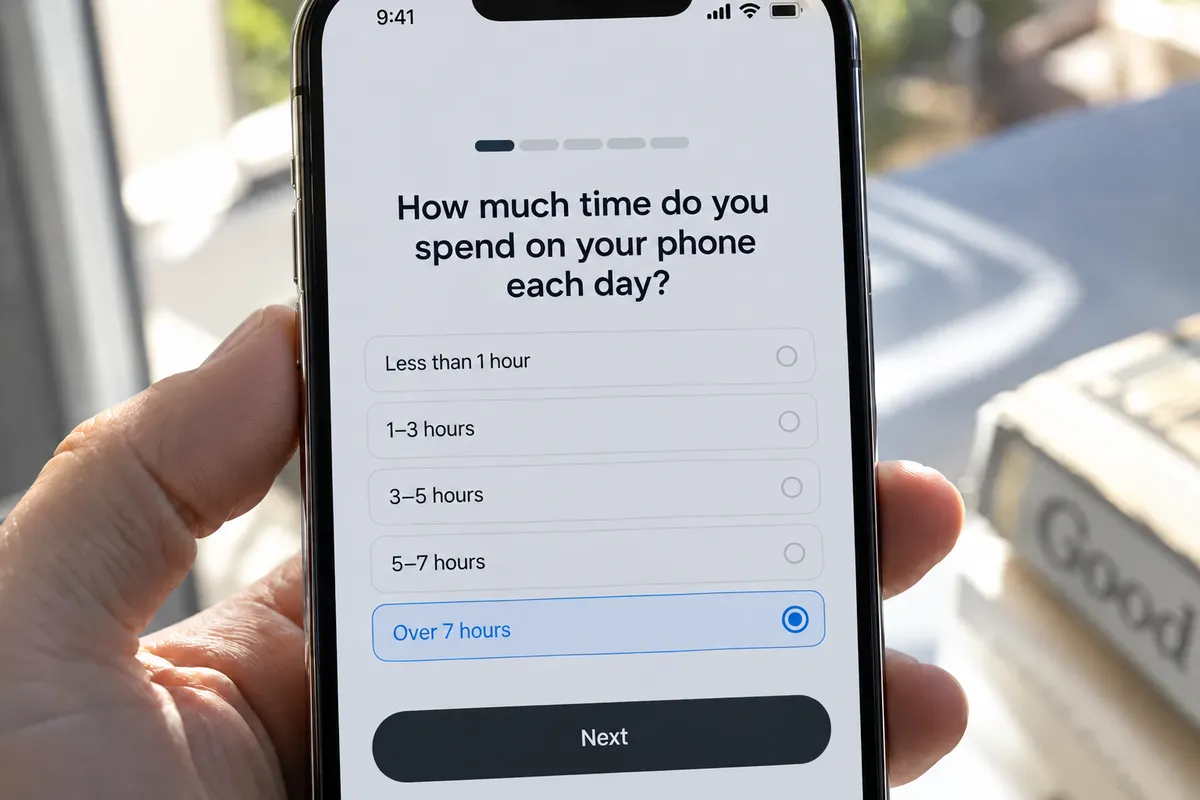
Before using the app, people reportedly must answer onboarding questions about the habits they want to change, how often they use their phone, their goals, their age, their job and what triggers them.
The proposed class action calls this mental and behavioral health information.
The complaint cites Opal’s privacy policy, which tells users private data stays on their device. The policy also promises never to disclose or sell personal data to unrelated third parties “under any circumstances, ever.”
Mosquera claims those promises are false and notes that the policy never mentions Amplitude.
How the data allegedly reached Amplitude
Opal built Amplitude's tracking code, a software development kit, into its iPhone app, the proposed class action contends. It alleges that code starts sending data to Amplitude's servers the moment someone opens the app.
The data reportedly includes:
- Onboarding answers, such as a reason for installing and daily phone time
- Screens viewed, focus sessions and free trial or subscription status
- Device and account IDs, IP addresses and device details, such as model and software version
Amplitude also uses the data for its own business, including to build user profiles and improve its products, the lawsuit contends. Its tools can sync groups of users to ad platforms, such as Facebook Ads, Google Ads and TikTok Ads, according to the filing.
Mosquera claims he used Opal for about a year, filled out the onboarding questions, ran focus sessions and started an Opal Pro free trial. He alleges the app never told him his answers would go to a third party and he never agreed to it.
The legal claims
The lawsuit brings six claims:
- California Invasion of Privacy Act (two counts), which bars intercepting or recording private communications without consent
- Comprehensive Computer Data Access and Fraud Act, a California law that bans accessing computer data without permission
- California constitutional right to privacy
- Intrusion upon seclusion, which covers intruding into someone's private affairs
- Unjust enrichment, which seeks to recover money a company gained unfairly
The constitutional and intrusion claims cover California users, while the rest cover users nationwide.
Mosquera seeks $5,000 per privacy act violation or three times actual damages, whichever is more. He also wants punitive damages, a return of profits Opal earned from the data and a court order that stops the sharing.
What the means for Opal Users
The proposed class covers anyone in the United States who used the Opal app on a mobile device since Opal first added the tracking tools. A California subclass covers users in the state.
As of this writing, there is no settlement, no claims process and no money available.


