.png)
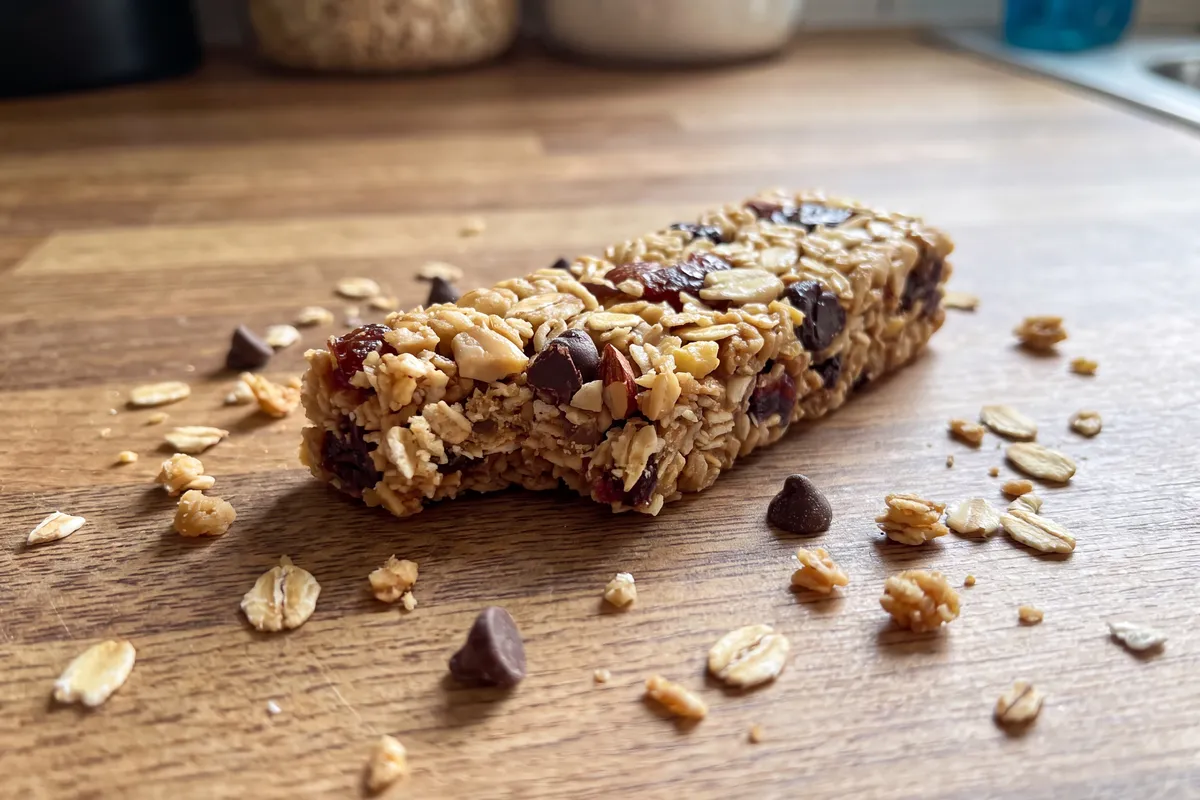

California resident Terri Coprew filed a class action lawsuit against Kind LLC on Aug. 28, 2026, in the U.S. District Court for the Southern District of New York.
The lawsuit alleges Kind adds roughly 5 grams of allulose to bars it advertises as containing zero grams of added sugar and that the sweetener qualifies as a sugar under federal rules governing what front panels on products can say.
Coprew's allegations
Coprew says she bought a dark chocolate nuts and sea salt Kind bar at a Target in Costa Mesa, California, on Aug. 27, 2026, for about $6.79. She claims she relied on the front-panel claim that the product contained zero grams of sugar. The proposed class action includes four flavors advertised as containing zero grams of sugar: dark chocolate nuts and sea salt, caramel almond and sea salt, raspberry vanilla cashew and peanut butter dark chocolate.
The complaint describes allulose as a monosaccharide, the simplest kind of sugar molecule, carrying roughly 70% of the sweetness of table sugar with far fewer calories. Because it is less sweet than sugar, manufacturers reportedly use it in gram-scale amounts as a bulk sweetener. The Food and Drug Administration said in its 2016 Nutrition Facts rulemaking that allulose, as a monosaccharide, must appear in a product's total sugars declaration.
Does federal law allow the 'zero grams' claim?
Anything printed outside the Nutrition Facts panel that characterizes a nutrient level counts as a nutrient content claim, according to the Code of Federal Regulations. The complaint' claims "zero grams added sugar" reads as a variation of "no added sugar," a phrase 21 C.F.R. § 101.60(c)(2) permits only when a manufacturer adds no sugars during processing or packaging. The lawsuit alleges allulose fits the regulation's definition of total sugars, which would put the "zero grams" claim outside the rule.
A 2020 FDA guidance document told manufacturers the agency would not pursue them for leaving allulose out of the total sugars and added sugars lines on Nutrition Facts panels. The complaint calls that document nonbinding and says it is limited to the panel numbers on the back of the package rather than advertising claims on the front.
Kind's nutrition facts panel reportedly lists one gram of total sugars and zero grams of added sugars, and allulose appears in the ingredient list. The proposed class action alleges nothing on the package identifies that ingredient as a sugar and that the labeling allowed Kind to charge a premium shoppers would not otherwise have paid.
The legal claims
Coprew seeks to represent a nationwide class of purchasers plus a California subclass. The lawsuit brings four claims:
- California's Consumers Legal Remedies Act, which is a ban on deceptive practices in consumer sales, brought here for injunctive relief only
- California's Unfair Competition Law, which covers unlawful, unfair and fraudulent business practices
- California's False Advertising Law, which prohibits untrue or misleading advertising
- Unjust enrichment, which is a theory that a company should not keep money it earned through a false claim
What the case means for Kind shoppers
The class action lawsuit seeks restitution, a court order requiring Kind to change the labeling, prejudgment interest and attorneys' fees. There is no settlement and no claims process as of this writing.

.webp)
.webp)
.webp)

.webp)
.webp)
.webp)
.webp)


.svg)